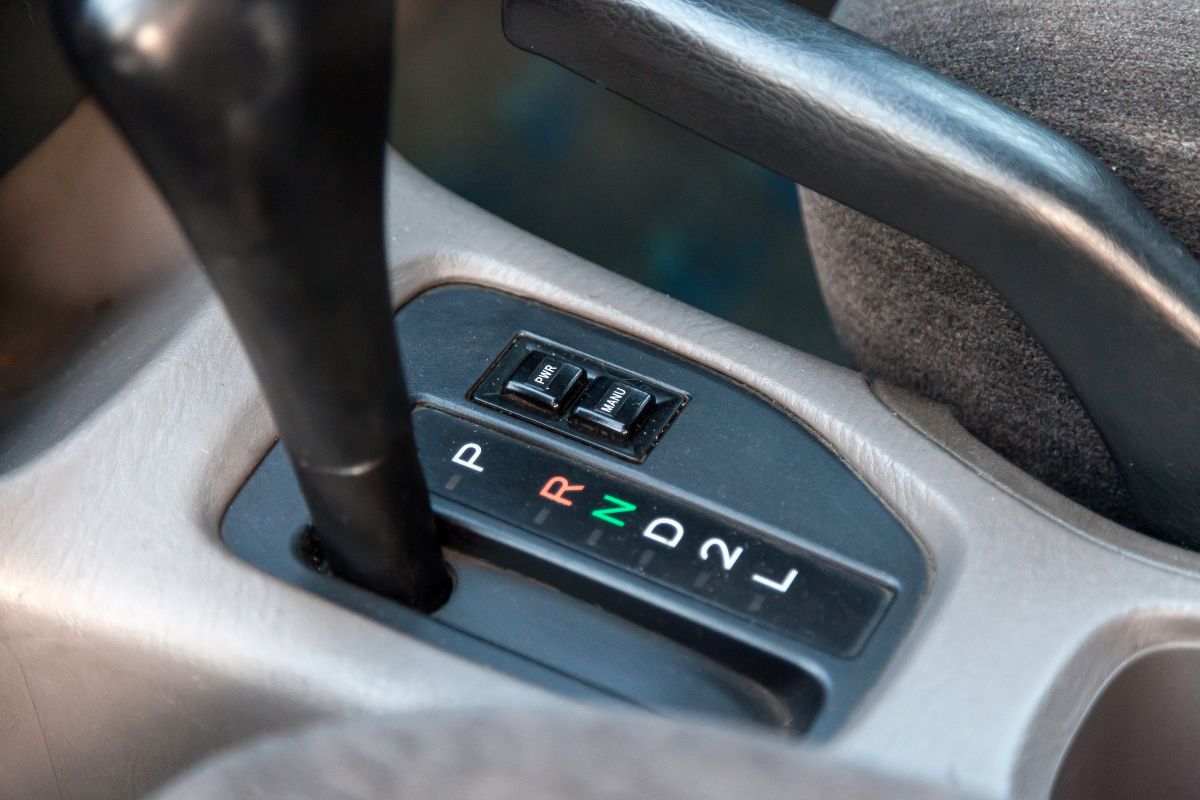
Common Gearbox Problems: Complete Transmission Troubleshooting Guide

Key Takeaways
| Problem | Main Symptoms | Possible Causes |
|---|---|---|
| Slipping Gears | Gears change without input, hesitation, RPM spikes | Worn clutch plates, low fluid, faulty solenoids |
| Rough Shifting and Delayed Engagement | Jarring shifts, delayed response, grinding sounds | Hydraulic issues, worn clutches, contaminated fluid |
| Transmission Overheating | Burning smell, warning lights, performance loss | Excessive use, low fluid levels, blocked cooler |
| Leaking Transmission Fluid | Red/brown puddles, low fluid levels, sweet smell | Worn seals, loose connections, pan gasket damage |
| Grinding and Unusual Noises | Metal-on-metal sounds, whining, clunking | Low fluid, worn synchronizers, bearing failure |
| Dashboard Warning Lights | Check engine light, transmission warnings | Sensor faults, electrical issues, ECU problems |
| Clutch Problems (Manual) | Slipping clutch, hard pedal, gear engagement issues | Worn clutch disc, hydraulic problems, release bearing |
| Torque Converter Issues (Automatic) | Shuddering, poor acceleration, overheating | Lock-up clutch failure, contaminated fluid, wear |
🔧 Equipment Needed: OBD scanner, transmission fluid, socket set, jack stands, fluid pump
💰 Diagnostic Cost: R1,200-R2,500 for professional transmission diagnosis in South Africa
⏱️ Repair Time: 2-40 hours depending on problem severity and transmission type
Overview
Gearboxes are among the most critical yet complex components in modern vehicles, responsible for transferring power from the engine to the wheels while providing appropriate gear ratios for different driving conditions. Understanding common transmission problems can save South African drivers thousands in repair costs and prevent dangerous roadside breakdowns across the country’s diverse driving conditions, from urban traffic in Johannesburg and Cape Town to rural roads in the Eastern Cape and KwaZulu-Natal.
This comprehensive guide covers both automatic and manual transmission issues, helping you identify symptoms early and understand repair options available in the South African market. If gearbox damage has also affected your engine, our guide on how an engine overhaul works covers the full rebuild process and typical costs.
Transmission Specifications and Types
Common Transmission Types in South Africa
| Specification | Manual Transmission | Automatic Transmission | CVT Transmission |
|---|---|---|---|
| Gear Changes | Driver-controlled via clutch pedal | Hydraulically controlled | Continuously variable |
| Complexity | Lower complexity, fewer parts | Higher complexity, electronic control | Moderate complexity |
| Fuel Economy | Generally better | Improving with modern designs | Often best efficiency |
| Maintenance Cost | R800-R2,500 annually | R1,500-R4,500 annually | R1,200-R3,800 annually |
| Common Issues | Clutch wear, synchronizer problems | Solenoid failure, fluid leaks | Belt/chain wear, sensor issues |
| Lifespan | 150,000-300,000 km | 120,000-250,000 km | 100,000-200,000 km |
1. Slipping Gears
Causes
- Worn clutch plates (automatic transmissions) - internal friction material deterioration
- Low transmission fluid levels - insufficient hydraulic pressure for gear engagement
- Faulty shift solenoids - electrical components controlling gear changes malfunction
- Worn torque converter (automatic) - internal damage affecting power transfer
- Damaged valve body - hydraulic control unit problems affecting pressure distribution
- Computer system malfunctions - ECU or TCM software/hardware failures
Symptoms
- Unexpected gear changes - transmission shifts without driver input or acceleration
- Engine RPM spikes without corresponding vehicle acceleration
- Hesitation during acceleration - delay between throttle input and power delivery
- Burning smell - overheated transmission fluid or clutch material
- Check engine light activation indicating transmission fault codes
- Poor fuel economy due to inefficient gear selection
Solution
- Immediate fluid level check - verify proper ATF levels and condition
- Professional diagnostic scan to identify fault codes and specific component failures
- Transmission fluid and filter replacement if contaminated or burnt
- Solenoid replacement for electrical component failures (R2,500-R4,800 each)
- Internal rebuild for severe mechanical wear (R25,000-R55,000)
- Valve body repair or replacement (R8,500-R18,000)
DIY Difficulty / Hours
- Fluid check and top-up: Easy difficulty / 30 minutes
- Diagnostic scanning: Easy with OBD tool / 15 minutes
- Professional repair: High difficulty / 8-25 hours
- Cost estimate: R3,500-R55,000 depending on severity
Critical Warning for South African Drivers
Continuing to drive with slipping gears can cause catastrophic transmission failure. Pull over safely and contact a qualified transmission specialist immediately. Driving on South Africa’s challenging terrain with a failing transmission poses serious safety risks.
2. Rough Shifting and Delayed Engagement
Causes
- Contaminated transmission fluid - debris and sludge affecting hydraulic operation
- Worn internal clutches and bands - friction material deterioration over time
- Faulty shift solenoids - electronic components controlling shift timing
- Hydraulic system problems - low pressure or blocked passages
- Engine management issues - poor engine performance affecting transmission
- Transmission cooler restrictions - overheating causing fluid breakdown
Symptoms
- Jarring or harsh gear changes - uncomfortable transitions between gears
- Delayed response when shifting from Park to Drive or Reverse
- Grinding noises during gear changes
- Transmission slipping out of gear - especially under load or acceleration
- Shuddering or vibration during gear changes
- Inability to engage certain gears consistently
Solution
- Complete transmission fluid service - flush old fluid and replace filter
- Solenoid testing and replacement if faulty (R1,800-R3,500 per solenoid)
- Internal inspection for worn clutches and bands
- Valve body cleaning or replacement to restore hydraulic pressure
- Transmission cooler service to prevent overheating issues
- ECU software updates where applicable
DIY Difficulty / Hours
- Basic fluid service: Moderate difficulty / 2-3 hours
- Advanced diagnostics: Professional only / 2-4 hours
- Internal repairs: Professional only / 12-30 hours
- Cost estimate: R2,800-R35,000 depending on required repairs
South African Driving Tip
In stop-and-go traffic common in cities like Durban and Pretoria, allow the transmission to warm up before demanding heavy acceleration. Cold transmission fluid can cause harsh shifting until it reaches optimal operating temperature.
3. Transmission Overheating
Causes
- Low transmission fluid levels - insufficient cooling and lubrication
- Blocked transmission cooler - reduced heat dissipation capacity
- Heavy towing or hauling - exceeding transmission design limits
- Stop-and-go traffic - prolonged operation without adequate cooling
- Faulty temperature sensors - incorrect readings preventing proper cooling
- Damaged cooling lines - restricting fluid flow to external cooler
Symptoms
- Burning odor - overheated transmission fluid smell in cabin
- Temperature warning lights on dashboard display
- Sluggish performance and delayed shifts
- Dark, burnt transmission fluid with acrid smell
- Steam from under hood in severe cases
- Complete transmission shutdown as protective measure
Solution
- Immediate shutdown - allow transmission to cool completely
- Transmission fluid and filter replacement with appropriate grade for South African climate
- Cooler cleaning or replacement (R2,500-R8,500)
- Temperature sensor replacement if faulty (R850-R1,500)
- Cooling system inspection for blockages or damage
- Internal damage assessment if overheating was severe
DIY Difficulty / Hours
- Fluid level check: Easy / 15 minutes
- Cooler inspection: Moderate / 1 hour
- Professional diagnosis: Required / 2-3 hours
- Repair costs: R1,500-R18,000 depending on damage extent
High-Temperature Climate Warning
South Africa’s hot climate, especially in areas like the Northern Cape and Limpopo, puts additional stress on transmission cooling systems. Regular cooling system maintenance is essential for transmission longevity.
4. Leaking Transmission Fluid
Causes
- Worn pan gasket - deteriorated sealing between transmission pan and case
- Damaged seals at input/output shafts, cooler lines, or case joints
- Loose drain plug or over-tightened during previous service
- Cracked transmission case - severe impact damage or age-related failure
- Faulty torque converter seal (automatic transmissions)
- Deteriorated cooler lines - especially in high-mileage vehicles
Symptoms
- Red or brown fluid puddles under parked vehicle
- Sweet, oily smell from transmission fluid
- Low fluid levels on dipstick readings
- Slipping or delayed shifts due to insufficient fluid
- Overheating as fluid levels drop below minimum
- Complete transmission failure if fluid loss is severe
Solution
- Leak source identification through visual inspection and pressure testing
- Pan gasket replacement (R450-R800 including labor)
- Seal replacement at various locations (R1,200-R4,500)
- Cooler line repair or replacement (R800-R2,200)
- Transmission case repair for cracks (R3,500-R12,000)
- Regular fluid level monitoring until repair completion
DIY Difficulty / Hours
- Visual leak inspection: Easy / 30 minutes
- Pan gasket replacement: Moderate / 2-3 hours
- Complex seal work: Professional recommended / 4-8 hours
- Typical costs: R450-R12,000 depending on leak location
Fluid Type Information
Use only manufacturer-specified transmission fluid for your vehicle. In South Africa, common types include Dexron VI, Mercon LV, and ZF Lifeguard fluid. Using incorrect fluid can cause seal damage and poor performance.
5. Grinding and Unusual Noises
Causes
- Low transmission fluid causing inadequate lubrication
- Worn synchronizers (manual transmissions) - difficulty matching gear speeds
- Damaged bearings throughout transmission causing metal-on-metal contact
- Failing torque converter (automatic) - internal component breakdown
- Worn planetary gears (automatic) - damaged teeth or carrier assembly
- Contaminated fluid with metal particles causing internal damage
Symptoms
- Grinding sounds during gear changes or while driving
- Whining noises that increase with RPM or load
- Clunking sounds during shifts or direction changes
- Metallic scraping indicating severe internal damage
- Bearing rumble - constant low-frequency noise
- Clicking sounds potentially indicating broken gear teeth
Solution
- Immediate fluid check and top-up if necessary
- Professional acoustic diagnosis to pinpoint noise source
- Synchronizer replacement (manual) - R2,800-R8,500 per gear set
- Bearing replacement during transmission rebuild
- Internal component replacement for damaged gears or planetary sets
- Complete rebuild for extensive internal damage (R22,000-R58,000)
DIY Difficulty / Hours
- Noise identification: Easy / 15 minutes
- Basic fluid service: Moderate / 2 hours
- Internal repairs: Professional only / 15-35 hours
- Repair costs: R1,200-R58,000 depending on damage severity
Early Detection Tip
Record unusual noises with your smartphone and play them back for a transmission specialist. Different sounds indicate different problems, helping with accurate diagnosis and avoiding unnecessary repairs.
6. Dashboard Warning Lights
Causes
- Transmission temperature sensor faults - incorrect readings triggering warnings
- Speed sensor failures - affecting shift timing and speedometer accuracy
- Pressure sensor malfunctions - hydraulic system monitoring problems
- Solenoid electrical faults - open or short circuits in control components
- ECU/TCM internal faults - computer system hardware or software problems
- Wiring harness damage - corrosion or physical damage to electrical connections
Symptoms
- Check Engine Light with transmission-related fault codes
- Transmission Warning Light specific to gearbox problems
- Limp Mode activation - reduced performance for component protection
- Speedometer malfunctions due to speed sensor issues
- Shift point irregularities from incorrect sensor data
- Complete transmission shutdown in severe electrical failures
Solution
- OBD-II diagnostic scan to retrieve fault codes (R200-R500)
- Sensor testing and replacement as needed (R650-R2,200 per sensor)
- Wiring harness inspection and repair (R800-R3,500)
- Solenoid electrical testing and replacement (R1,500-R4,200)
- ECU/TCM programming or replacement (R5,500-R15,000)
- System reset after repairs completion
DIY Difficulty / Hours
- Code scanning: Easy with OBD tool / 15 minutes
- Basic sensor replacement: Moderate / 1-2 hours
- Advanced electrical work: Professional recommended / 3-8 hours
- Diagnostic and repair costs: R200-R15,000 depending on component
Diagnostic Code Information
Common transmission fault codes include P0700 (transmission control system), P0720 (output speed sensor), and P0730 (incorrect gear ratio). Each code points to specific components requiring attention.
7. Clutch Problems (Manual Transmissions)
Causes
- Worn clutch disc - friction material deterioration from normal use
- Damaged pressure plate - spring failure or warping from overheating
- Faulty release bearing - causing noise and difficult disengagement
- Hydraulic system problems - master or slave cylinder leaks
- Clutch cable stretching or breakage (cable-operated systems)
- Flywheel surface damage - scoring or excessive wear
Symptoms
- Clutch slipping - engine RPM increases without power transfer
- Hard clutch pedal - excessive force required for operation
- Grinding when shifting - difficulty engaging gears
- Clutch pedal staying down - hydraulic system failure
- Burning smell from overheated clutch material
- Vibration through pedal indicating damaged components
Solution
- Complete clutch kit replacement - disc, pressure plate, release bearing (R6,500-R15,000)
- Hydraulic system service - master and slave cylinder replacement (R2,200-R4,800)
- Flywheel resurfacing or replacement (R1,800-R5,500)
- Clutch cable replacement for cable systems (R450-R950)
- Pilot bearing replacement during clutch service (R350-R650)
- Clutch pedal assembly service if mechanical problems exist
DIY Difficulty / Hours
- Clutch cable adjustment: Moderate / 30 minutes
- Hydraulic bleeding: Moderate / 1 hour
- Complete clutch replacement: High difficulty / 6-10 hours
- Professional installation: R6,500-R15,000 total cost
South African Driving Conditions
Hillier areas like Gauteng and KwaZulu-Natal put extra stress on clutches. Avoid riding the clutch on inclines and use the handbrake when stopped on hills to extend clutch life.
8. Torque Converter Issues (Automatic Transmissions)
Causes
- Lock-up clutch failure - internal clutch material breakdown
- Torque converter pump damage - impeller or turbine blade problems
- Contaminated transmission fluid affecting internal component operation
- Overheating damage from prolonged high-temperature operation
- Electrical control problems - solenoid or wiring faults
- Internal seal failure causing pressure loss and poor performance
Symptoms
- Shuddering during acceleration - especially noticeable at highway speeds
- Poor acceleration performance despite engine running properly
- Overheating transmission due to inefficient torque conversion
- Unusual noises from transmission bell housing area
- Inconsistent lockup operation causing fuel economy problems
- Complete loss of drive in severe failure cases
Solution
- Torque converter replacement - R8,500-R18,000 including labor
- Transmission fluid and filter service to remove contaminants
- Lock-up solenoid replacement if electrically controlled (R1,800-R3,200)
- Cooler system service to prevent future overheating
- Complete transmission rebuild if internal damage is extensive
- Electrical system diagnosis for control-related issues
DIY Difficulty / Hours
- Fluid service: Moderate / 2-3 hours
- Torque converter replacement: Professional only / 8-12 hours
- Complete rebuild: Professional only / 20-35 hours
- Typical costs: R2,500-R45,000 depending on required work
Torque Converter Warning
Never continue driving with severe torque converter shuddering. This can cause additional damage to internal transmission components, significantly increasing repair costs.
Preventative Maintenance Tips
Regular Service Schedule
| Service Type | Interval (km) | Interval (months) | Components |
|---|---|---|---|
| Fluid Level Check | Every 5,000 | Every 3 | ATF level, condition, leaks |
| Filter Replacement | Every 40,000 | Every 24 | Internal filter, pan gasket |
| Complete Fluid Service | Every 60,000 | Every 36 | Fluid flush, filter, additives |
| Cooling System Service | Every 80,000 | Every 48 | Cooler lines, external cooler |
| Comprehensive Inspection | Every 100,000 | Every 60 | Internal components, seals |
Critical Maintenance Items
- Use manufacturer-specified fluid - Wrong fluid type can cause seal damage and poor shifting
- Monitor fluid condition - Dark, burnt-smelling fluid indicates service needs
- Check for leaks regularly - Early detection prevents major damage
- Avoid overheating - Install auxiliary coolers for heavy-duty use
- Service cooling system - Clean radiator and check cooling lines
- Address problems early - Small issues become expensive if ignored
South African Climate Considerations
- Hot weather operation - Extra attention to cooling systems in summer
- Dust and debris - More frequent filter changes in dusty conditions
- Altitude effects - Thinner air at high altitudes affects cooling efficiency
- Stop-and-go traffic - Urban driving increases heat buildup
- Long-distance travel - Highway driving requires proper cooling system function
Technical Perspective
Modern transmissions incorporate sophisticated electronic controls, hydraulic systems, and mechanical components working in precise harmony. Automatic transmissions can have 6-10 speeds with complex planetary gear sets, while continuously variable transmissions (CVTs) use belt or chain systems for infinite gear ratios. Understanding these systems helps in proper maintenance and early problem detection.
The integration of transmission control with engine management systems means that problems in one area can affect the other. This is why comprehensive diagnostics are essential for accurate problem identification and cost-effective repairs.
Conclusion
Transmission problems range from simple fluid-related issues requiring basic maintenance to complex internal failures necessitating complete rebuilds. Early recognition of symptoms such as slipping gears, rough shifting, overheating, fluid leaks, unusual noises, and warning lights enables less expensive repairs and prevents catastrophic failures.
Regular maintenance following manufacturer specifications, prompt attention to warning signs, and professional diagnosis when problems arise are key to maximizing transmission life and minimizing repair costs. In South Africa’s challenging driving conditions, proper transmission care is essential for vehicle reliability and safety.
When the entire drivetrain is beyond economical repair, you may prefer to sell your damaged car instead. German vehicles like Volkswagen and Audi models are particularly prone to expensive transmission repairs, making replacement units an attractive option. For vehicles requiring transmission replacement or major repairs, Engine Finder provides access to quality used transmissions and gearboxes from trusted suppliers across South Africa, offering cost-effective alternatives to expensive new units while maintaining reliability and performance standards.
FAQ
What is the most common transmission problem in South Africa?
Fluid leaks and overheating are the most common issues, often caused by the country’s hot climate and challenging driving conditions. Regular fluid level checks and cooling system maintenance help prevent these problems.
How much does transmission repair cost in South Africa?
Basic repairs like fluid services range from R800-R2,500, while major rebuilds can cost R20,000-R60,000. Diagnostic fees typically range from R500-R1,500. Costs vary significantly based on vehicle make, transmission type, and extent of damage.
When should I replace transmission fluid?
Most manufacturers recommend every 60,000-100,000 km or every 3-5 years. However, South African conditions may require more frequent changes - every 40,000-60,000 km, especially for vehicles operating in extreme heat or dusty conditions.
Can I drive with transmission problems?
Minor issues like slight fluid leaks may allow short-distance driving to a repair facility, but problems like slipping gears, overheating, or complete loss of engagement require immediate shutdown. Continuing to drive can cause catastrophic damage.
What’s the difference between manual and automatic transmission problems?
Manual transmissions primarily suffer clutch-related issues, while automatics face hydraulic, electronic, and torque converter problems. Manual repairs are often less expensive but require more driver skill, while automatics offer convenience but higher complexity and repair costs.
References and Further Reading
Technical Resources
- Automatic Transmission Service Manual - ZF Transmissions
- Manual Transmission Diagnosis Guide - Society of Automotive Engineers
Maintenance Guides
- South African Automobile Association Maintenance Guidelines
- Professional Transmission Repair Standards - Automotive Industry Development Centre
Local Resources
Related Articles
Explore more insights on similar topics
How Long Do Engines Last on Average? Complete Longevity Guide
Understand real-world engine lifespan ranges, warning signs, lifecycle stages, costs, and maintenance best practices for South African drivers.
Engine Overhaul Guide: Cost, Process + Is It Worth It?
Engine overhaul costs R15,000-R80,000 in SA. Learn the full rebuild process, warning signs you need one, and when replacing is cheaper than rebuilding.
.webp)
Timing Chain vs Timing Belt: Complete Guide to Cambelt Replacement & Lifespan
Learn everything about timing chains and timing belts (cambelts): differences, lifespans, replacement costs, and which is better for your engine in South Africa.
Important Disclaimer
This content is for informational purposes only and is based on research from automotive industry sources. Engine Finder is not a certified automotive repair facility. Always consult with qualified automotive professionals before performing any repairs or maintenance. Improper repairs can result in personal injury, property damage, or vehicle malfunction. We assume no responsibility for actions taken based on this information.