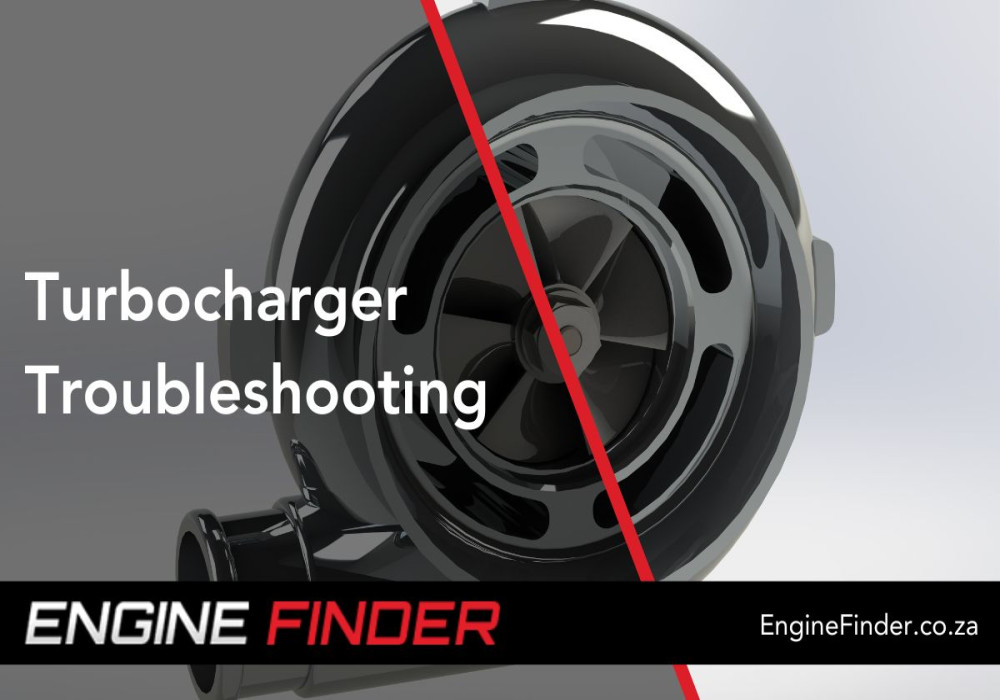
Turbocharger Problems & Fixes: Complete Diagnostic Guide

Key Takeaways
| Problem | Main Symptoms | Possible Causes |
|---|---|---|
| Turbo Lag | Delayed throttle response, slow acceleration | Undersized turbo, exhaust restrictions, worn components |
| Oil Leaks | Blue exhaust smoke, oil loss, burning smell | Worn seals, damaged oil lines, improper oil pressure |
| Turbo Surging | Whistling noise, pressure fluctuations, power loss | Damaged compressor, blocked intake, faulty blow-off valve |
| Overboost Issues | Sudden power surge, engine knock, limp mode | Faulty wastegate, boost controller malfunction, blocked lines |
| Foreign Object Damage | Unusual noises, vibration, loss of boost | Debris in intake, damaged air filter, loose components |
| Bearing Failure | Metallic grinding, oil consumption, shaft play | Oil starvation, contaminated oil, excessive heat |
Turbochargers are sophisticated forced-induction systems that significantly enhance engine performance and fuel efficiency. However, their complex design and high operating temperatures make them susceptible to specific problems that can dramatically affect engine performance.
This comprehensive guide covers the most common turbocharger problems, their diagnostic procedures, and effective repair solutions to restore optimal performance and prevent costly engine damage.
Turbocharger Component Specifications
| Component | Operating Parameters | Service Intervals |
|---|---|---|
| Shaft Speed | 80,000-200,000 RPM | Monitor continuously |
| Oil Pressure | 3-5 bar (44-73 PSI) | Check every 10,000 km |
| Operating Temperature | 700-900°C exhaust side | Monitor during operation |
| Boost Pressure | 0.5-2.5 bar (7-36 PSI) | Vehicle-specific limits |
| Oil Flow Rate | 3-6 L/min | Verify during service |
1. Turbo Lag Problems
Causes
- Undersized turbocharger for engine application
- Exhaust system restrictions reducing gas flow
- Clogged intercooler reducing efficiency
- Worn turbine or compressor wheels
- Intake system leaks affecting pressure buildup
Symptoms
- Significant delay between throttle application and power delivery
- Poor acceleration response at low RPM
- Reduced overall engine performance
- Excessive time to reach boost pressure
- Sluggish engine response under load
Solution
- Upgrade to appropriately sized turbocharger for engine
- Remove exhaust restrictions and optimize pipe sizing
- Clean or replace intercooler (R1,500-R3,500)
- Repair intake leaks and tighten connections
- Optimize engine management for faster spool-up
DIY Difficulty / Hours
- Intake leak inspection: Moderate / 1 hour
- Intercooler cleaning: Moderate / 2 hours
- Turbocharger upgrade: Very Difficult / 8-12 hours
- Professional turbo optimization: R4,500-R8,500
Turbo Lag vs. Normal Response
Some turbo lag is normal, especially in larger turbos. Expect 1-2 seconds response time. Excessive lag (3+ seconds) indicates problems requiring attention.
2. Oil Leak Problems
Causes
- Worn or damaged turbo oil seals
- Excessive crankcase pressure forcing oil past seals
- Incorrect oil return line installation
- Contaminated or wrong-grade oil causing seal damage
- Blocked oil return line creating back pressure
Symptoms
- Blue smoke from exhaust during acceleration
- Oil consumption between changes
- Burning oil smell from engine bay
- Oil stains around turbocharger housing
- Reduced engine oil level
Solution
- Replace turbo oil seals and gaskets (R450-R1,200)
- Check and repair PCV system to reduce crankcase pressure
- Verify oil return line slope and diameter (minimum 12mm)
- Use manufacturer-specified turbo oil grade
- Clean oil return line and check for blockages
DIY Difficulty / Hours
- Oil seal replacement: Very Difficult / 4-6 hours
- PCV system inspection: Moderate / 1 hour
- Oil return line service: Difficult / 2-3 hours
- Professional turbo seal service: R2,500-R4,500
Oil Quality Critical
Use only high-quality synthetic oil meeting manufacturer specifications. Poor oil quality is the leading cause of turbo failures. Change oil every 10,000 km maximum.
3. Turbo Surging Problems
Causes
- Damaged or worn compressor wheel blades
- Blocked or restricted air intake system
- Faulty blow-off valve or wastegate actuator
- Intercooler leaks reducing system pressure
- Mismatched turbocharger to engine combination
Symptoms
- Distinctive whistling or fluttering noise
- Rapid boost pressure fluctuations
- Intermittent power delivery
- Engine stumbling under boost
- Audible pressure release sounds
Solution
- Inspect and replace damaged compressor wheel (R1,500-R3,500)
- Clean air intake system and replace filter
- Test and replace blow-off valve (R650-R1,450)
- Pressure test intercooler system for leaks
- Professional turbo matching assessment
DIY Difficulty / Hours
- Air filter replacement: Easy / 0.5 hours
- Blow-off valve testing: Moderate / 1 hour
- Compressor wheel inspection: Very Difficult / 4-6 hours
- Professional surging diagnosis: R1,200-R2,500
Surge Prevention
Install a properly sized blow-off valve and maintain clean air filters. Regular intake system cleaning prevents most surge-related problems.
4. Overboost Problems
Causes
- Stuck wastegate actuator or valve
- Failed boost controller or solenoid
- Blocked wastegate pressure lines
- Incorrect boost controller calibration
- Damaged wastegate diaphragm
Symptoms
- Boost pressure exceeding safe limits
- Engine knock or pinging sounds
- Sudden power surge followed by power loss
- Engine entering limp mode protection
- Check engine light activation
Solution
- Replace wastegate actuator and diaphragm (R650-R1,500)
- Clean wastegate pressure lines thoroughly
- Calibrate boost controller to manufacturer specifications
- Replace boost solenoid if electronically controlled
- Install boost gauge for continuous monitoring
DIY Difficulty / Hours
- Wastegate actuator replacement: Difficult / 3-4 hours
- Boost line cleaning: Moderate / 1 hour
- Boost controller calibration: Difficult / 2 hours
- Professional overboost repair: R2,500-R4,500
Overboost Danger
Overboost can cause catastrophic engine damage including blown head gaskets and damaged pistons. Address immediately when detected.
5. Foreign Object Damage
Causes
- Debris entering through damaged air filter
- Loose bolts or components in intake system
- Failed intercooler core allowing metal particles
- Poor air filter maintenance allowing contamination
- Damaged intake ducting creating debris
Symptoms
- Unusual metallic or scraping noises
- Sudden loss of boost pressure
- Visible damage to compressor wheel
- Vibration at specific RPM ranges
- Metal particles in intake system
Solution
- Remove turbocharger for complete inspection
- Replace damaged compressor wheel and housing (R2,500-R5,500)
- Rebuild turbo with new bearings and seals
- Install high-quality air filtration system
- Inspect entire intake system for damage sources
DIY Difficulty / Hours
- Visual damage inspection: Easy / 0.5 hours
- Air filter system overhaul: Moderate / 2 hours
- Turbocharger rebuild: Very Difficult / 8-12 hours
- Professional FOD repair: R5,500-R12,500
FOD Prevention
Quality air filtration is critical. Inspect air filters every 15,000 km and replace when dirty. Use OEM or better quality filters only.
6. Bearing Failure Problems
Causes
- Oil starvation due to blocked oil lines
- Contaminated oil with metal particles
- Excessive heat from poor cooling
- Improper shutdown procedures damaging bearings
- Wrong oil grade causing inadequate lubrication
Symptoms
- Metallic grinding or whining noises
- Excessive oil consumption
- Visible shaft play when checked manually
- Oil contamination with metal particles
- Complete turbo seizure in severe cases
Solution
- Replace entire turbo cartridge assembly (R4,500-R8,500)
- Flush oil system completely before installation
- Install oil catch can to prevent contamination
- Verify oil pressure meets specifications (3-5 bar)
- Implement proper warm-up and cool-down procedures
DIY Difficulty / Hours
- Shaft play inspection: Moderate / 1 hour
- Oil system flush: Moderate / 2 hours
- Turbo cartridge replacement: Very Difficult / 6-8 hours
- Professional bearing service: R6,500-R12,500
For comprehensive engine cooling system maintenance that supports turbo longevity, see our detailed cooling system problems guide.
Bearing Failure Warning
Bearing failure often requires complete turbo replacement. Address oil system problems immediately to prevent catastrophic failure.
Turbocharger Maintenance Schedule
Every 10,000 km
- Change engine oil with high-quality synthetic
- Inspect air filter condition
- Check boost pressure operation
- Visual inspection for oil leaks
Every 30,000 km
- Replace air filter
- Inspect intercooler for damage
- Check wastegate operation
- Clean intake system
Every 60,000 km
- Professional turbo inspection
- Replace oil lines and gaskets
- Boost system pressure testing
- Wastegate calibration check
Every 100,000 km
- Complete turbo service and rebuild
- Replace all seals and bearings
- Upgrade components if necessary
- System optimization
Diagnostic Procedures
Visual Inspection Checklist
- Oil leaks around turbo housing
- Damaged or loose intake connections
- Cracked intercooler cores
- Exhaust system restrictions
- Air filter contamination
Performance Testing
- Boost pressure measurement under load
- Oil pressure verification at idle and RPM
- Intake system pressure testing
- Exhaust back-pressure measurement
- Wastegate actuator function testing
Advanced Diagnostics
- Turbo shaft play measurement
- Compressor wheel balance testing
- Oil contamination analysis
- Heat stress crack inspection
- Electronic boost control verification
Video Guides
Turbo Diagnostics and Repair Tips - Pro Training Power Hour
Professional training series covering in-depth turbocharger diagnostics and repair techniques, including troubleshooting for turbo lag, oil leaks, and bearing failures.
Symptoms of a Failing Turbo - Cars Simplified
Educational guide explaining the most common symptoms and causes of turbocharger failure, including diagnostic approaches for various turbo problems.
Conclusion
Turbocharger problems require prompt attention to prevent expensive engine damage. Understanding common issues and their symptoms enables early detection and cost-effective repairs.
Regular maintenance, quality oil changes, proper operating procedures, and immediate attention to developing problems are essential for turbo longevity. When problems occur, professional diagnosis ensures accurate identification and appropriate repair solutions.
For quality replacement turbochargers and professional installation services, explore reliable engine services and our network of qualified specialists who can restore your turbo system to optimal performance.
Remember that turbocharger maintenance is an investment in performance, fuel economy, and engine longevity. Proper care and timely repairs ensure years of enhanced driving experience from your turbocharged engine.
FAQ
What Causes Turbocharger Failure?
Turbocharger failure can be caused by a variety of factors, including oil starvation, foreign object damage, excessive exhaust temperatures, and wear and tear due to aging. Poor maintenance and using the wrong type of oil can also contribute to premature failure.
How Do I Know If My Turbo Is Failing?
Symptoms of a failing turbocharger include a noticeable decrease in engine power, increased exhaust smoke, unusual noises from the turbocharger, and the Check Engine light coming on. If you notice any of these signs, it’s important to get your turbocharger inspected.
Can I Drive with a Damaged Turbo?
Driving with a damaged turbocharger is not recommended. It can lead to further damage to the engine and other vehicle components. Reduced engine performance and increased fuel consumption are also likely outcomes of continuing to drive with a damaged turbo.
How Often Should a Turbocharger Be Serviced?
The servicing frequency for a turbocharger depends on the vehicle make and model, but a general recommendation is to check it during regular engine maintenance intervals. It’s crucial to follow the manufacturer’s guidelines for your specific vehicle.
Can Turbocharger Problems Cause Engine Failure?
Yes, unresolved turbocharger problems can lead to engine failure. A malfunctioning turbocharger can cause excessive pressure or temperatures in the engine, leading to severe damage. Regular maintenance and prompt repairs are essential to prevent such issues.
References:
- goldfarbinc.com – Turbocharger Problems with Solutions
- turbodynamics.co.uk – Turbocharger Problems
- dieselcomponentsinc.com – 5 Turbo Problems You Didn’t Know About
- turboturbos.com – The Most Common Turbo Problems
- garrettmotion.com – Why Do Turbochargers Fail?
- drivingline.com – 7 Ways to Kill a Turbo and How to Avoid Them
- highwayandheavyparts.com – Common Diesel Turbocharger Problems: Compressor, Turbine, and More Explained
- YouTube – Common Turbo Problems and Solutions Video
Related Articles
Explore more insights on similar topics
How Long Do Engines Last on Average? Complete Longevity Guide
Understand real-world engine lifespan ranges, warning signs, lifecycle stages, costs, and maintenance best practices for South African drivers.
Engine Overhaul Guide: Cost, Process + Is It Worth It?
Engine overhaul costs R15,000-R80,000 in SA. Learn the full rebuild process, warning signs you need one, and when replacing is cheaper than rebuilding.
.webp)
Timing Chain vs Timing Belt: Complete Guide to Cambelt Replacement & Lifespan
Learn everything about timing chains and timing belts (cambelts): differences, lifespans, replacement costs, and which is better for your engine in South Africa.
Important Disclaimer
This content is for informational purposes only and is based on research from automotive industry sources. Engine Finder is not a certified automotive repair facility. Always consult with qualified automotive professionals before performing any repairs or maintenance. Improper repairs can result in personal injury, property damage, or vehicle malfunction. We assume no responsibility for actions taken based on this information.