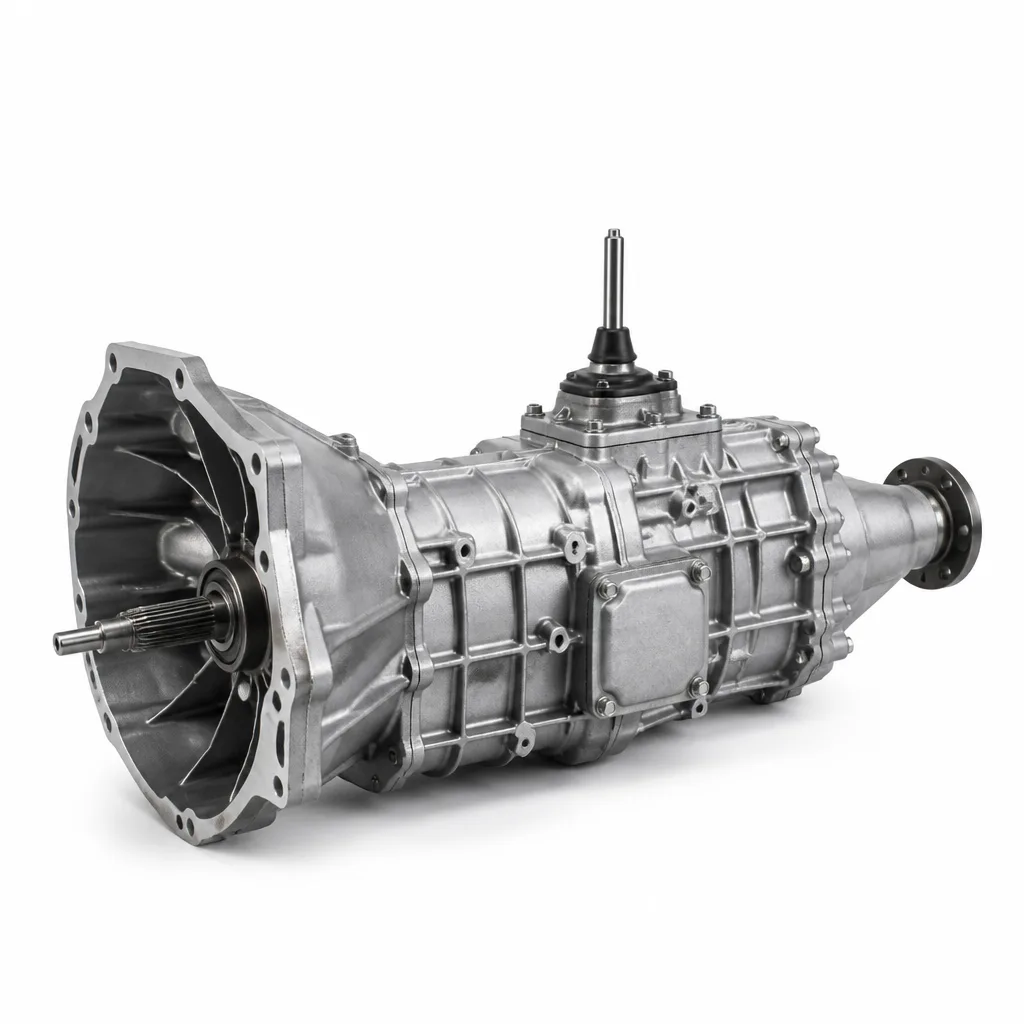
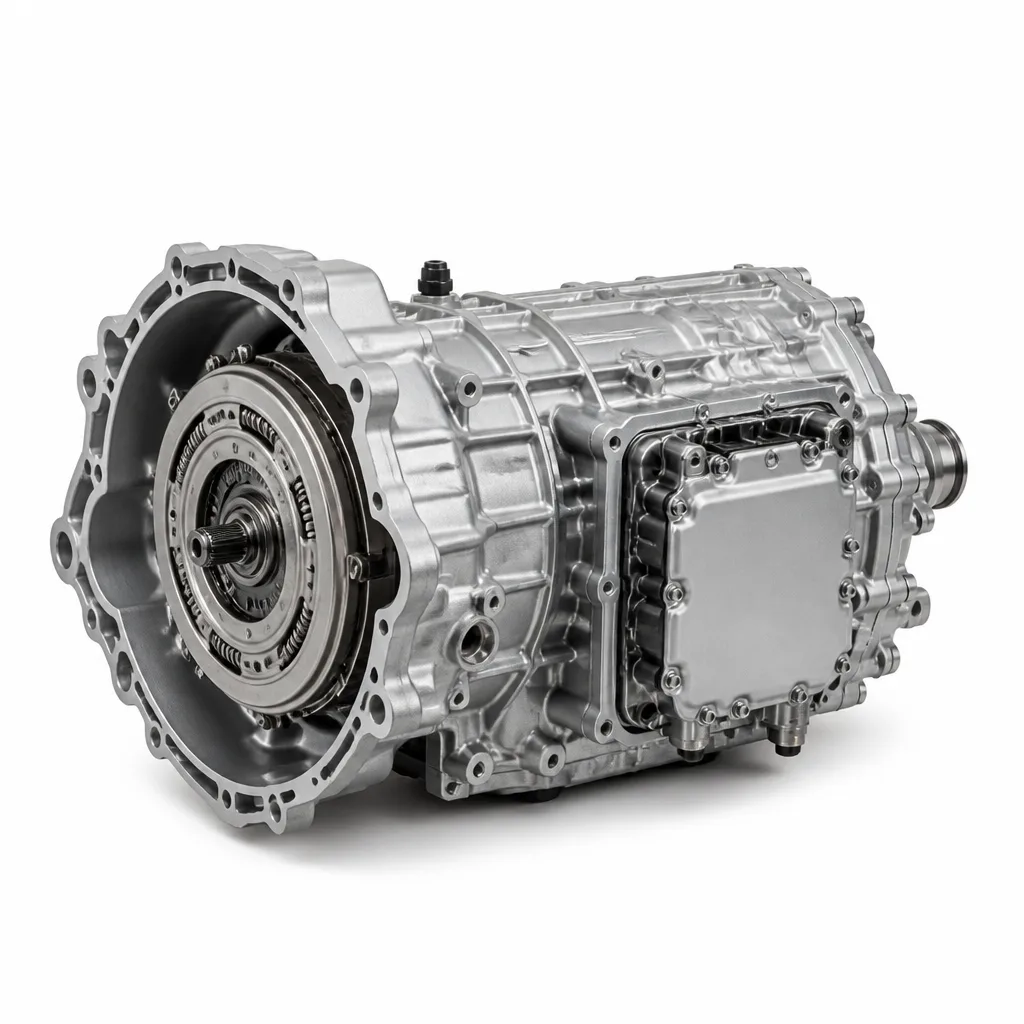
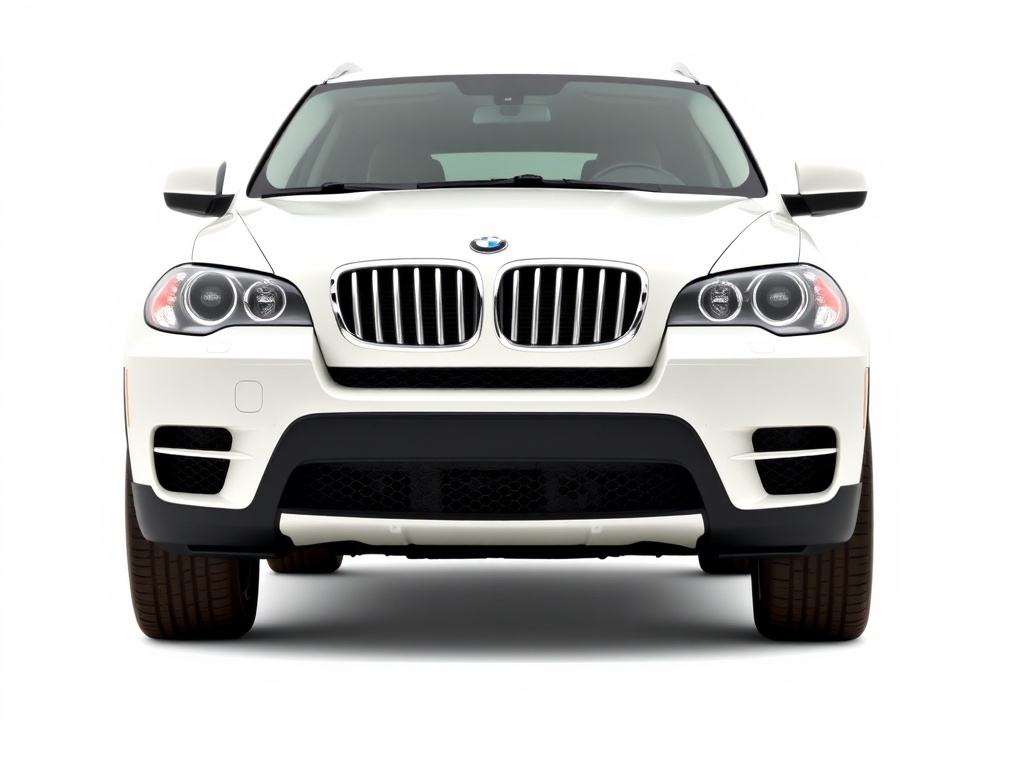
Buying a BMW Gearbox in South Africa
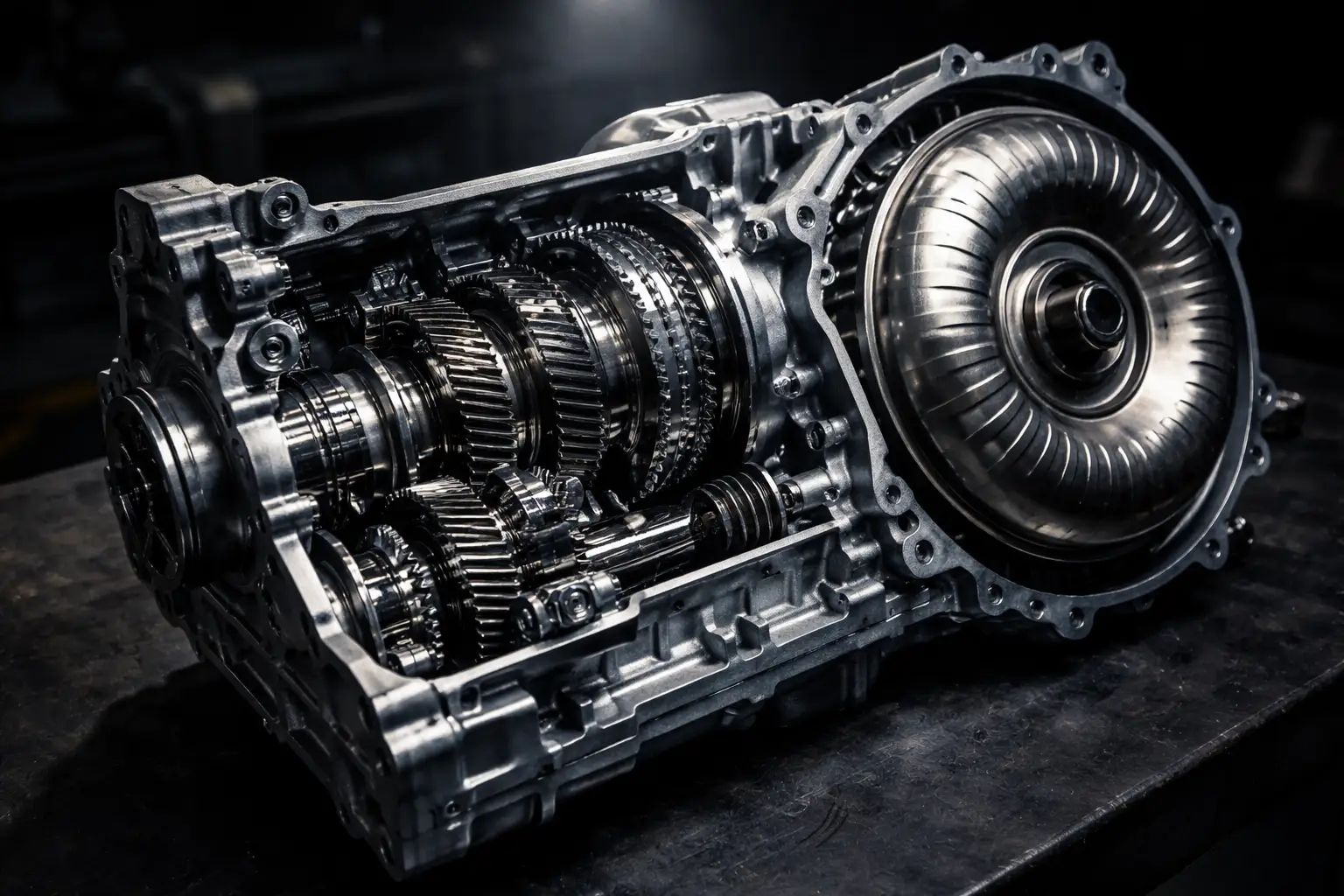
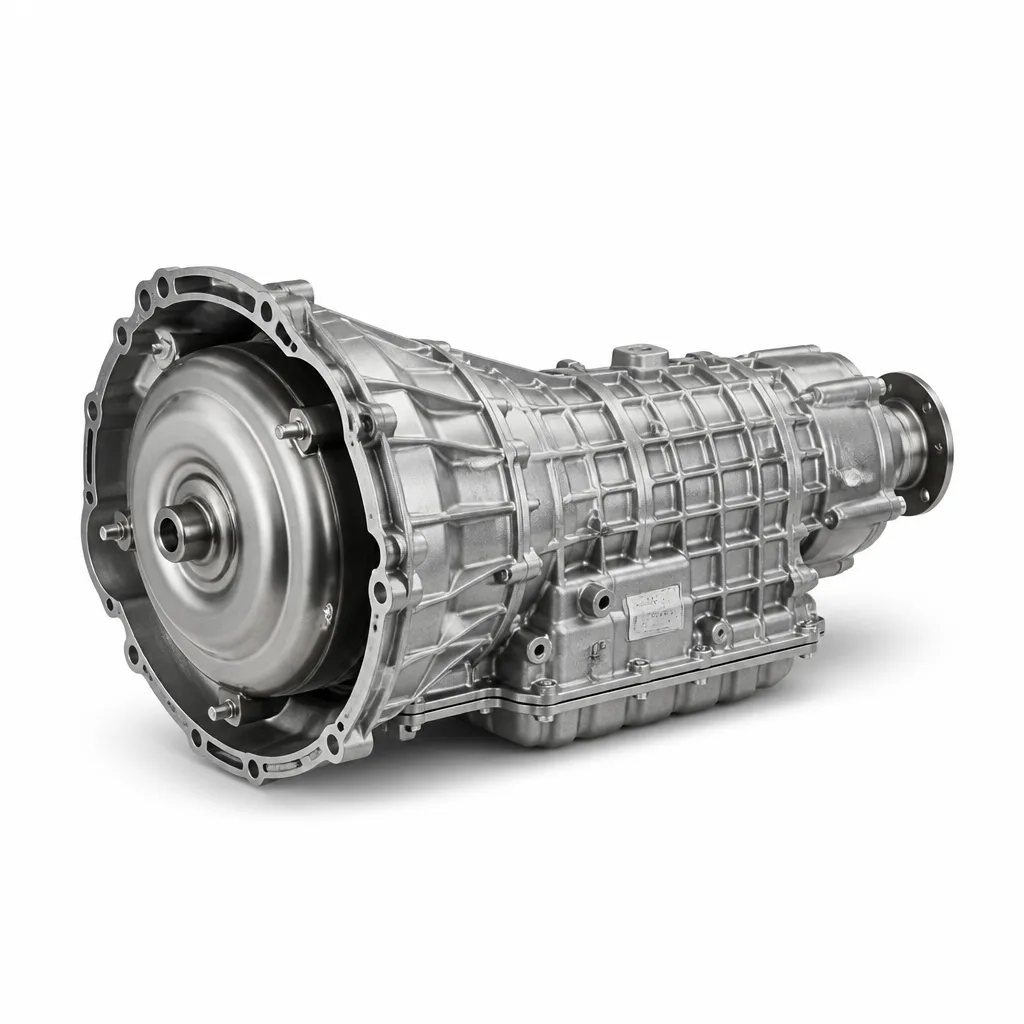
The single biggest thing to get right with a BMW gearbox is this: almost every BMW "automatic" is a ZF torque-converter box, not a dual-clutch. The mainstream 320i, 320d, 520d and the X1/X3/X5 all use a ZF auto — the older 5HP on the E46/E39, the 6HP on the E90/E60/X3/X5, and the modern 8HP across the F30/F10 and G-series. The only dual-clutch (DCT) BMW fits is the Getrag GS7D36SG, and that is reserved for the M3/M4/M2 and a handful of sport variants like the 135i and 335i. These boxes share no parts, so confusing them is the number-one cause of mis-sales. If you're weighing up an engine at the same time, it's worth comparing a used BMW engine so you can plan the whole job — see the related-parts links below.
The ZF 6HP mechatronic — often the real cost
On the ZF 6HP the part that usually fails is the mechatronic (the valve body plus control electronics), and its bridge-seal leak is a classic — causing gear hunting, harsh shifts and limp-mode rather than a dead gearbox. The mechatronic is frequently sold separately from the box, so a cheap "ZF gearbox" can become a much bigger bill once it's added. Always confirm whether a quote includes it.
The ZF 8HP "sealed-for-life" fluid myth
BMW marketed the ZF 8HP and 6HP fluid as "sealed for life", but ZF itself says to service it (roughly every 80,000–100,000 km). Most of the 8HP failures driving replacement demand come from boxes that were never serviced, combined with overheating under load — so harsh shifts aren't always a dead box. It's worth having the fault properly diagnosed and the fluid serviced before committing to a full replacement. If the car is older and you're weighing up the spend, it's also worth checking what it's worth for scrap first. Engine Finder is a marketplace — submit one free quote request and verified BMW gearbox suppliers across South Africa come back to you with prices, warranties and availability.
 Automatic Popular