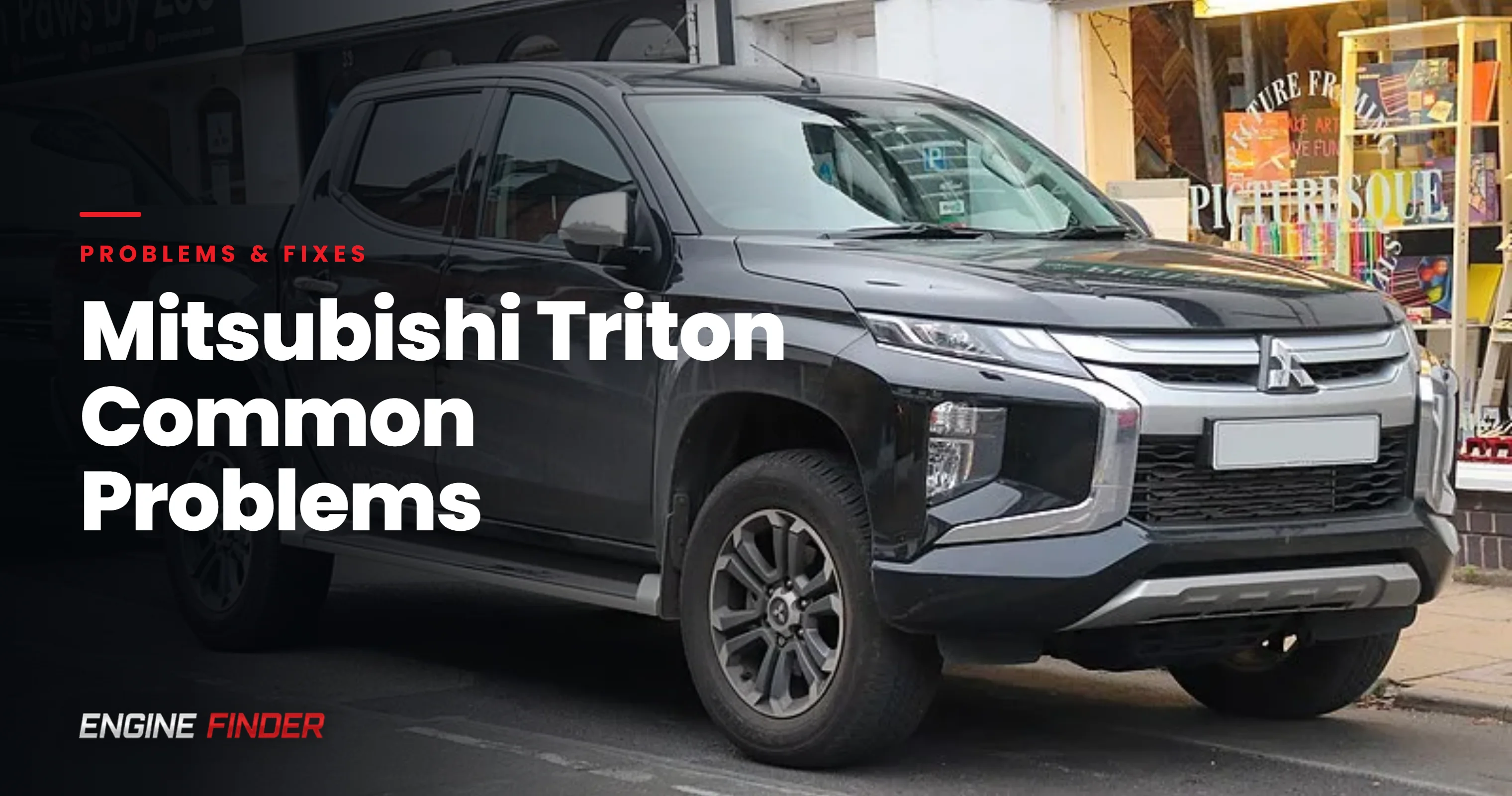
Mitsubishi Triton Common Problems: 2.5 DI-D Engine Faults

Key Takeaways
| Problem | Main Symptoms | Possible Causes |
|---|---|---|
| Turbo Lag Issues | Sluggish acceleration, delayed power response | Turbo actuator problems, carbon buildup |
| EGR Valve Problems | Engine cutting out at idle, rough running | Carbon deposits, valve sticking |
| Fuel Injector Faults | Rough idle, misfiring, power loss | Injector clogging, electrical failure |
| Clutch and Transmission Issues | Difficult gear changes, grinding noises | Clutch wear, pressure plate failure |
| Valve Clearance Problems | Engine noise, reduced performance | Incorrect clearances, wear over time |
Mitsubishi Triton Common Problems: 2.5 DI-D Engine Faults
The Mitsubishi Triton’s most common problems centre on the 2.5L 4D56 DI-D diesel — turbo lag, EGR carbon buildup, and fuel injector faults top the list for SA owners. The Triton has been a reliable workhorse since 1978, producing 100kW and 314Nm in standard 2.5 DI-D form. While generally dependable, the Triton can experience specific engine-related issues every owner should understand. Proper maintenance and early problem recognition are essential for preventing costly repairs and ensuring long-term reliability.
Triton Variants and Engine Codes
Not sure which engine you have? The Triton has used two main diesel engines in SA:
- 2.5 DI-D (4D56 / 4D56T) — fitted to most Triton 2.5 DI-D models from 2006 onwards. 100kW / 314Nm. Common rail direct injection, turbocharged inline-4. This is the engine covered in this guide.
- 3.2 DI-D (4M41) — fitted to Triton 3.2 DI-D higher-spec and earlier-generation models. 130kW / 380–441Nm. Different injector, turbo, and timing chain layout — many faults below still apply in principle but the specific part numbers differ.
Check your VIN plate or service book if unsure. The 4D56 is by far the more common Triton engine in the SA used market.
Mitsubishi Triton 2.5 Diesel Engine Specifications
| Specification | Details |
|---|---|
| Engine Code | 4D56 |
| Displacement | 2.5L (2,477cc) |
| Configuration | Inline-4, SOHC, Turbocharged Diesel |
| Fuel System | Common Rail Direct Injection |
| Power Output | 100 kW (134 HP) |
| Torque Output | 314 Nm |
| Production Years | 1986–2016 |
1. Turbo Lag Issues
Causes
- Turbo Actuator Problems: Vacuum actuator not opening exhaust dump valve properly.
- Carbon Buildup: Guide vanes in turbo housing clogged with carbon deposits.
- Suction Control Valve: Faulty valve affecting fuel pressure in common rail system.
- Boost Leak: Damaged pipes or loose clamps causing pressure loss.
Symptoms
- Sluggish throttle response, especially from idle.
- Delayed power delivery when accelerating.
- Reduced overall engine performance.
- Excessive black smoke under acceleration.
Solution
- Clean turbo guide vanes and inspect actuator operation.
- Check and tighten all turbo pipes and clamps.
- Replace suction control valve if faulty.
- Consider ECU remapping for improved response (gains ~15% power).
DIY Difficulty / Hours
- Turbo Inspection: Medium difficulty / 2-3 hours
- Suction Control Valve: High difficulty / 3-4 hours
- Professional Service: R1,500 - R3,500 for cleaning. R2,500 - R5,500 for valve replacement.
Performance Tip
ECU remapping can improve the Triton’s performance from 100kW/314Nm to approximately 115kW/365Nm, providing better throttle response and reduced turbo lag.
2. EGR Valve Problems
Causes
- Carbon Buildup: Exhaust gas recirculation valve clogged with soot deposits.
- Valve Sticking: EGR valve mechanism seizing in open or closed position.
- Diaphragm Failure: Vacuum diaphragm not operating valve correctly.
- Poor Fuel Quality: Low-grade diesel accelerating carbon formation.
Symptoms
- Engine cutting out while idling or at low RPM.
- Rough idle and irregular engine running.
- Reduced power output and poor fuel economy.
- Check engine light with EGR-related fault codes.
Solution
- Clean EGR valve thoroughly and check diaphragm operation.
- Inspect and clean all inlet vacuum pipes.
- Clear ECU fault codes and recalibrate injectors.
- Use quality diesel fuel and regular fuel system cleaners.
DIY Difficulty / Hours
- EGR Valve Cleaning: Medium difficulty / 2-3 hours
- Vacuum System Check: Medium difficulty / 1-2 hours
- Professional Service: R800 - R1,800 for cleaning. R1,800 - R3,500 for replacement.
Carbon Buildup Warning
Regular cleaning of the EGR system every 60,000 km is essential to prevent valve failure and engine stalling issues, especially with South African fuel quality.
3. Fuel Injector Faults
Causes
- Injector Clogging: Poor fuel quality causing nozzle blockages.
- Electrical Problems: Wiring harness or injector solenoid failure.
- Pressure Sensor Issues: Sensors monitoring fuel flow affecting injection timing.
- Water Contamination: Water in fuel system causing injector damage.
Symptoms
- Rough engine running and irregular idle.
- Engine misfiring on specific cylinders.
- White or black smoke from exhaust.
- Difficulty starting, especially when cold.
Solution
- Test fuel injectors for proper spray pattern and flow rate.
- Clean injectors professionally or replace if severely damaged.
- Recalibrate injectors using diagnostic equipment.
- Replace fuel filter and drain water separator regularly.
DIY Difficulty / Hours
- Fuel Filter Replacement: Easy / 0.5 hours
- Injector Testing: High difficulty / 3-4 hours
- Professional Service: R300 - R500 per injector cleaning. R2,200 - R3,800 per injector replacement.
4. Clutch and Transmission Issues
Causes
- Clutch Wear: Normal friction wear over time and mileage.
- Pressure Plate Failure: Heavy-duty use causing plate warping or cracking.
- Release Bearing Problems: Bearing noise or failure affecting gear changes.
- Hydraulic Issues: Master or slave cylinder affecting clutch operation.
Symptoms
- Difficulty shifting gears or grinding noises.
- Gear changes not going smoothly into position.
- Clutch slipping under load or acceleration.
- Steering wheel vibrations during gear changes.
Solution
- Inspect pressure plate, clutch plate, and release bearings.
- Replace clutch kit as complete assembly for best results.
- Consider heavy-duty clutch for improved longevity.
- Check hydraulic system for leaks or air contamination.
DIY Difficulty / Hours
- Clutch Replacement: Very High difficulty / 8-10 hours
- Hydraulic System Service: Medium difficulty / 2-3 hours
- Professional Service: R3,500 - R6,500 for clutch kit. R6,000 - R12,000 including labor.
Clutch Longevity Information
With proper driving technique and regular maintenance, a Triton clutch can last 100,000+ km. Heavy-duty clutches are available for vehicles used in demanding conditions.
5. Valve Clearance Problems
Causes
- Engine Wear: Normal wear causing valve clearances to change over time.
- Maintenance Neglect: Failure to adjust clearances per service schedule.
- Thermal Expansion: Heat cycles affecting valve train components.
- Component Wear: Cam lobes, rockers, or valve stems wearing excessively.
Symptoms
- Excessive engine noise, especially on startup.
- Reduced engine performance and power output.
- Poor fuel economy and rough running.
- Valve train noise increasing over time.
Solution
- Adjust valve clearances according to manufacturer specifications.
- Replace worn valve train components if clearances cannot be adjusted.
- Follow regular maintenance schedule for valve inspections.
- Use quality engine oil to minimize valve train wear.
DIY Difficulty / Hours
- Valve Clearance Adjustment: Very High difficulty / 6-8 hours
- Valve Train Inspection: High difficulty / 4-5 hours
- Professional Service: R1,200 - R2,500 for adjustment. R4,500 - R8,500 for component replacement.
Maintenance Schedule for Triton 2.5 Diesel
| Service Type | Interval | Estimated Cost |
|---|---|---|
| Engine Oil Change | Every 10,000 km | R400 - R600 |
| Fuel Filter Replacement | Every 20,000 km | R200 - R300 |
| Air Filter Replacement | Every 20,000 km | R180 - R280 |
| EGR System Cleaning | Every 60,000 km | R800 - R1,500 |
| Valve Clearance Check | Every 80,000 km | R1,200 - R2,000 |
| Injector Service | Every 100,000 km | R1,500 - R3,000 |
FAQ
What is the most common Mitsubishi Triton engine problem?
The most common Mitsubishi Triton engine problem is EGR valve carbon buildup on the 4D56 2.5 DI-D — it causes idle stalling, rough running, and the check engine light, usually surfacing between 80,000–150,000 km. SA repair costs run R800–R1,800 for a professional clean or R1,800–R3,500 for full replacement. Regular EGR cleaning every 60,000 km on local diesel quality is the cheapest preventative.
Is the Mitsubishi Triton 2.5 diesel reliable?
The 4D56 engine is generally very reliable with proper maintenance. It’s known for longevity and can easily reach 300,000+ km with regular servicing.
What’s the average fuel consumption of Triton 2.5 diesel?
The Triton typically achieves 8.5-10L/100km depending on driving conditions and load. City driving tends toward the higher end of this range.
How often should I service my Triton 2.5 diesel?
Follow the 10,000 km service intervals, with particular attention to valve clearances every 80,000 km and EGR system cleaning every 60,000 km.
Can I improve the Triton’s performance?
Yes, ECU remapping can safely increase power from 100kW to ~115kW and torque from 314Nm to ~365Nm, improving overall drivability.
What are the signs of EGR valve problems?
Watch for engine stalling at idle, rough running, reduced power, and excessive smoke. Regular cleaning prevents most EGR-related issues.
Should I use diesel additives in my Triton?
Yes, quality diesel fuel system cleaner every 10,000 km helps prevent injector clogging and EGR valve carbon buildup, especially important with South African fuel quality.
Conclusion
The Mitsubishi Triton 2.5 diesel offers excellent value and reliability when properly maintained. Understanding these common engine problems and addressing them promptly can prevent costly repairs and ensure reliable service. The key to Triton longevity lies in regular maintenance, quality fluids, and immediate attention to any symptoms.
The 4D56 engine’s reputation for durability is well-earned, but like any mechanical system, it requires proper care. For Triton owners facing major engine problems, Engine Finder helps you find a 4D56 or 4M41 replacement engine from trusted scrap yards and engine importers across South Africa — request a quote and receive multiple supplier offers within hours.
References and Further Reading
- Mitsubishi Official Service Information
- 4D56 Engine Technical Specifications
- Common Rail Diesel Maintenance Guide
Related Articles
Explore more insights on similar topics
Ford Focus Gearbox Replacement Cost in South Africa (2026 Guide)
Ford Focus gearbox replacement costs R6,000–R18,000 for a manual and R18,000–R38,000 for the PowerShift DCT in South Africa. Full price breakdown by variant, known DPS6 problems, and how to save.
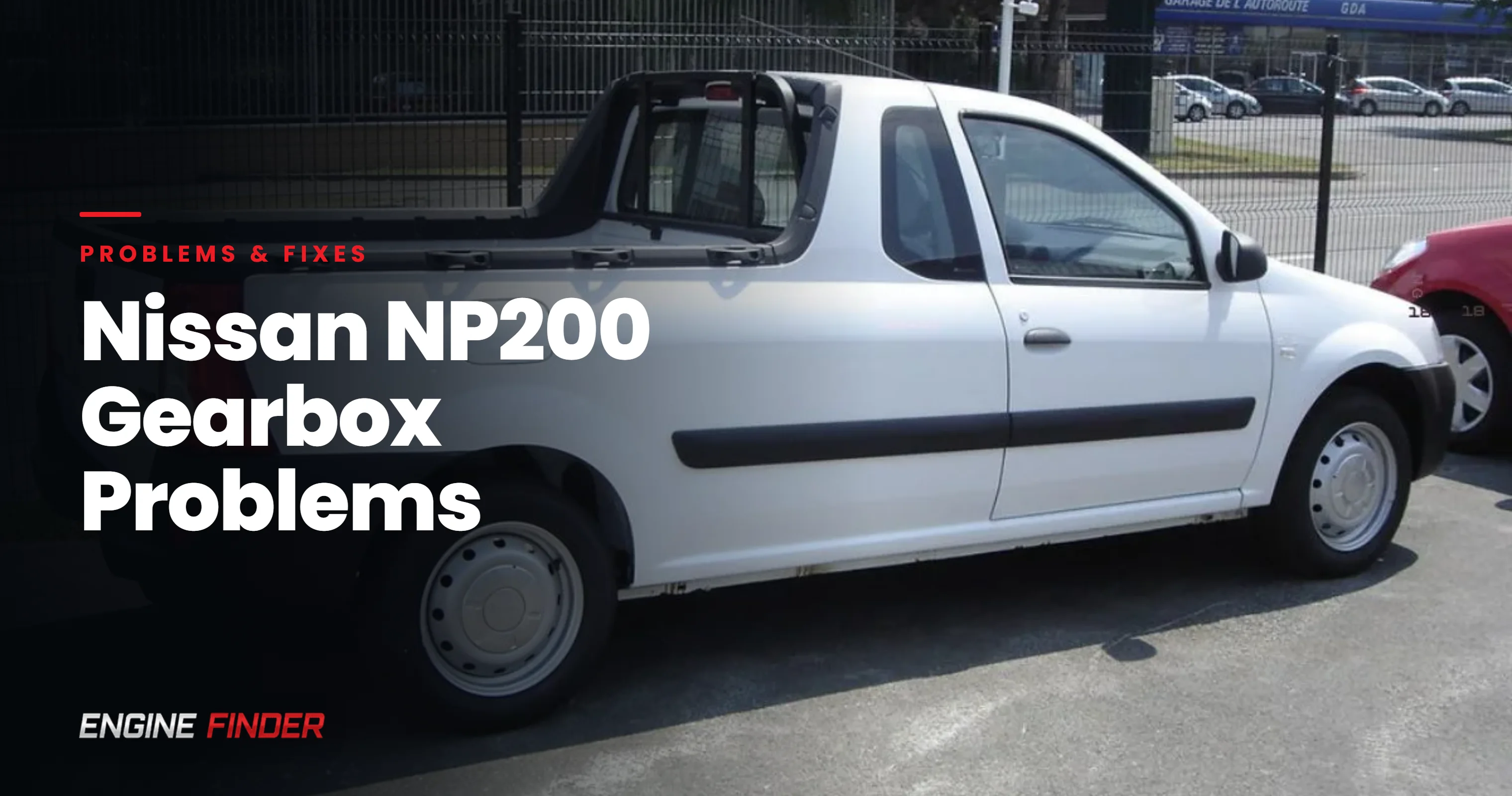
Nissan NP200 Gearbox Problems: JR5 Manual, Clutch & Costs (SA Guide)
Nissan NP200 gearbox problems explained — the Renault JR5/JH3 manual, crunchy shifts, 5th-gear whine, soft-clutch cylinder faults, and what a used or recon NP200 gearbox costs in SA.
Manual Gearbox Replacement Cost in South Africa (2026 Guide)
How much does manual gearbox replacement cost in South Africa? Budget exchange from R4,000 fitted; heavy-duty bakkie installs reach R32,000+. Real SA prices by model, gearbox codes, labour hours, and a worth-it decision framework.
Important Disclaimer
This content is for informational purposes only and is based on research from automotive industry sources. Engine Finder is not a certified automotive repair facility. Always consult with qualified automotive professionals before performing any repairs or maintenance. Improper repairs can result in personal injury, property damage, or vehicle malfunction. We assume no responsibility for actions taken based on this information.