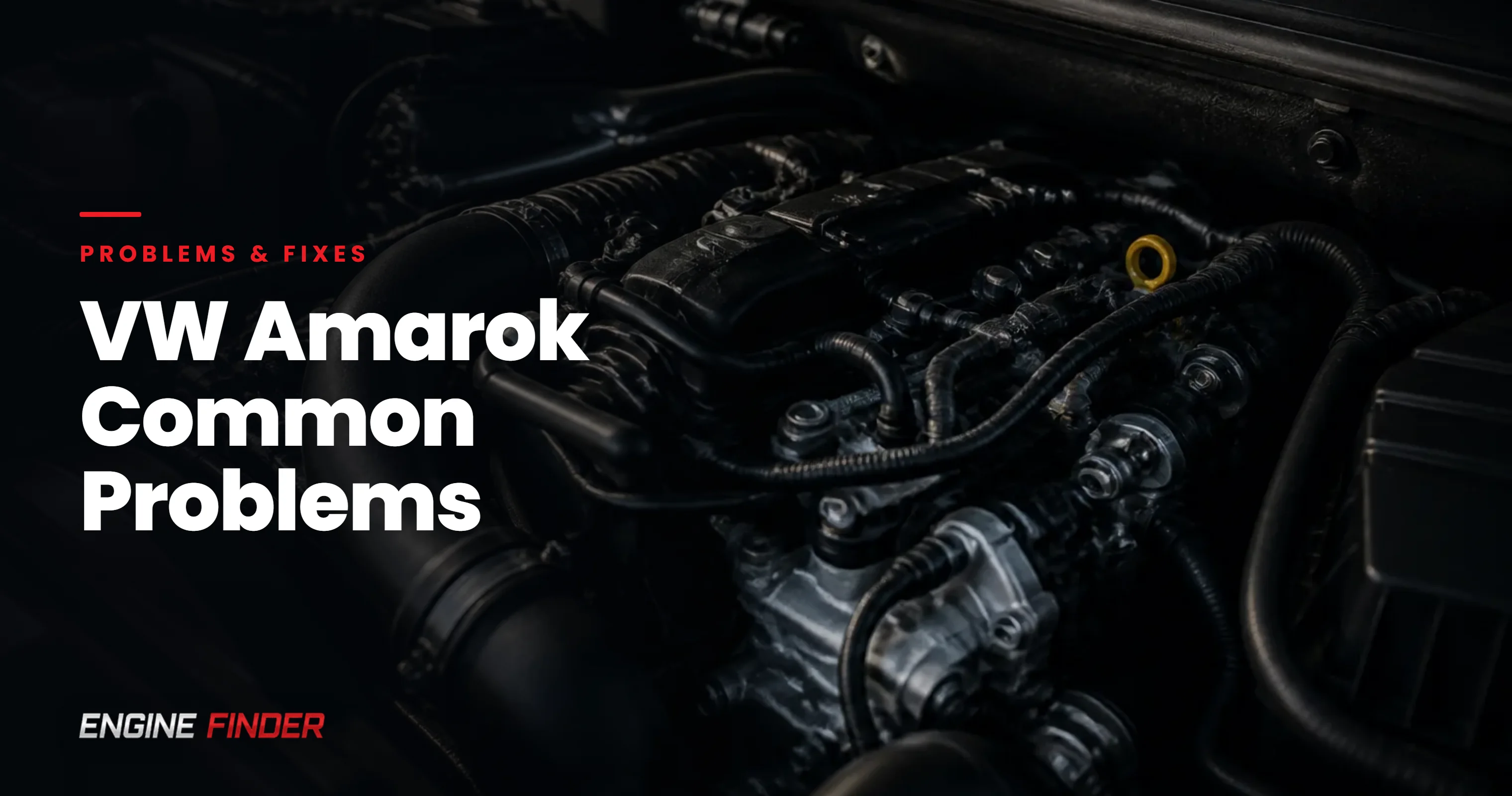
VW Amarok Common Problems: Engine and Transmission Issues

Key Takeaways
| Problem | Main Symptoms | Possible Causes |
|---|---|---|
| Timing Belt & Oil-Pump Drive Failure | Engine rattling, sudden failure, oil-pressure warning | Worn cam/serpentine belt, oil-pump balance-shaft drive wear (TSI: chain tensioner) |
| High-Pressure Fuel Pump Issues | Hard starting, power loss | HPFP failure, fuel pressure problems, contamination |
| Turbocharger Problems | Loss of power, whistling noise | Actuator failure, oil contamination, carbon buildup |
| DPF and EGR Issues | Poor performance, warning lights | DPF blockage, EGR valve carbon buildup, sensor failures |
| Electrical System Faults | Multiple warnings, component failures | Module failures, wiring problems, sensor malfunctions |
The Volkswagen Amarok, produced in its first generation from 2010 to 2023, established itself as a premium pickup truck offering European engineering and sophisticated driving dynamics. Available with multiple engine options — the 2.0 TDI diesel, the 2.0 BiTDI twin-turbo diesel, the flagship 3.0 V6 TDI diesel, and a short-lived 2.0 TSI petrol — the Amarok has developed a reputation for both impressive capability and some well-documented reliability concerns that prospective buyers and current owners should understand. The 2.0 TDI variants share common platform issues with other VAG diesels, including the VW CLP engine. If your Amarok is displaying dashboard warning lights, our VW error codes guide covers every common diagnostic trouble code and its meaning.
VW Amarok Engine Specifications
| Engine Code | Displacement | Power | Torque | Fuel Type | Production |
|---|---|---|---|---|---|
| CFPA | 2.0L TSI Turbo | 118 kW | 300 Nm | Petrol | 2011-2015 |
| CDBA / CDCA | 2.0L TDI | 90-103 kW | 340 Nm | Diesel | 2010-2016 |
| CNFA / CNEA / CSHA | 2.0L BiTDI | 120-132 kW | 400-420 Nm | Diesel | 2011-2020 |
| CRTC / CRTD / DDXC | 3.0L V6 TDI | 165-190 kW | 550-580 Nm | Diesel | 2016-2023 |
The overwhelming majority of Amaroks sold in South Africa are diesel — the 2.0 TDI, the 2.0 BiTDI twin-turbo, and the flagship 3.0 V6 TDI. The 118 kW 2.0 TSI petrol was a short-lived, low-volume 4x2 base model (2011-2015) and is rare on the used market here. That matters, because the diesel engines and the petrol have very different weak points, as detailed below.
1. Timing Belt and Oil-Pump Drive Failure
The Amarok’s most catastrophic engine risk depends on which engine you have. The four-cylinder 2.0 TDI and 2.0 BiTDI diesels use a timing belt (not a chain), which must be renewed on schedule; on early diesels a worn ancillary/serpentine belt can shred and be dragged into the timing belt, wrecking the engine. These EA189-family diesels also suffer the well-known VAG oil-pump balance-shaft drive wear, which can starve the engine of oil. The 3.0 V6 TDI uses a timing chain with plastic guides that can wear. Only the rarer 2.0 TSI petrol has the timing-chain tensioner fault the platform is often blamed for.
Causes
- Overdue or worn timing belt on 2.0 TDI / BiTDI diesels (belt-driven, not chain)
- Frayed ancillary/serpentine belt dragged into the timing belt on early diesels
- Oil-pump balance-shaft drive wear on 2.0 TDI diesels (loss of oil pressure)
- Worn plastic timing-chain guides on the 3.0 V6 TDI
- Hydraulic timing-chain tensioner malfunction on the 2.0 TSI petrol
- Inadequate oil maintenance accelerating component wear
Symptoms
- Engine rattling noise, especially on cold startup
- Sudden complete engine failure without warning
- Oil-pressure warning light (balance-shaft/oil-pump drive failure)
- Check engine light with P0016 or P0011 (cam/crank correlation) fault codes
- Metal particles in engine oil
Solution
- Renew the timing belt and ancillary belt on diesels at the specified interval
- Inspect / replace the oil-pump balance-shaft drive on 2.0 TDI diesels
- Replace timing-chain guides, tensioner and chain on the V6 (or the TSI chain tensioner)
- Perform an engine compression test to assess valve damage
- Replace any damaged valves, pistons, or cylinder head
DIY Difficulty / Hours
- Timing belt / chain replacement: Very Difficult / 8-20 hours
- Professional repair essential due to precision required
- Cost: R35,000-R65,000 including potential engine rebuild
Critical Engine Damage Risk
A snapped timing belt, a shredded ancillary belt, or a failed oil-pump drive can cause catastrophic engine damage requiring a complete rebuild or replacement. Address any rattling or oil-pressure warning immediately to prevent valve-to-piston contact.
2. High-Pressure Fuel Pump Issues
Causes
- High-pressure fuel pump (HPFP) mechanical failure (diesel common-rail and TSI)
- Fuel contamination damaging pump internals
- Worn or leaking diesel injectors (“black death” — carbon build-up from failed copper seals)
- Inadequate fuel pressure regulation
- Poor fuel quality accelerating pump and injector wear
Symptoms
- Hard starting or engine won’t start
- Sudden loss of power during acceleration
- Engine hesitation and rough idle (individual cylinders misfiring on worn injectors)
- Check engine light with P2293 or P0087 fault codes
- Fuel pressure readings below specification
Solution
- Replace high-pressure fuel pump with updated version
- Install new low-pressure fuel pump if also affected
- Clean fuel system and replace fuel filter
- Check and replace fuel pressure regulator if necessary
- Update engine management calibration
DIY Difficulty / Hours
- HPFP replacement: Difficult / 4-6 hours
- Requires specialized tools and pressure testing
- Cost: R12,000-R25,000 including parts and labor
Fuel Quality Importance
Use only high-quality fuel from reputable suppliers. Poor fuel quality can accelerate HPFP failure and void warranty coverage on replacement components.
3. Turbocharger Problems
Causes
- Turbocharger actuator failure affecting boost control
- Oil contamination from failed PCV system
- Carbon buildup in turbocharger housing
- Wastegate actuator malfunction
- Poor maintenance leading to bearing failure
Symptoms
- Significant loss of engine power
- High-pitched whining or whistling noise
- Excessive blue or black smoke from exhaust
- Check engine light with boost pressure codes
- Oil leaks around turbocharger assembly
Solution
- Replace turbocharger actuator with updated version
- Rebuild or replace complete turbocharger unit
- Clean intake system of oil contamination
- Replace PCV valve to prevent future contamination
- Update engine management software
DIY Difficulty / Hours
- Actuator replacement: Moderate / 3-4 hours
- Turbocharger replacement: Difficult / 6-8 hours
- Cost: R8,500-R35,000 depending on components required
Turbo Maintenance
Allow engine to idle for 30 seconds before shutdown to cool turbocharger. Use quality synthetic oil and change regularly to prevent bearing damage.
4. DPF and EGR Issues
Causes
- Diesel Particulate Filter (DPF) blockage from short trips
- EGR valve carbon buildup reducing efficiency
- Failed DPF temperature and pressure sensors
- Inadequate regeneration cycles completing
- Poor quality diesel fuel affecting system operation
Symptoms
- DPF warning light on dashboard
- Engine entering limp mode
- Poor acceleration and reduced power
- Excessive fuel consumption
- Black smoke from exhaust during acceleration
Solution
- Perform forced DPF regeneration cycle
- Clean or replace EGR valve and associated pipework
- Replace DPF if too heavily contaminated
- Update engine management software
- Replace faulty DPF and EGR sensors
DIY Difficulty / Hours
- DPF regeneration: Easy / 0.5-1 hour
- EGR cleaning: Moderate / 2-3 hours
- DPF replacement: Difficult / 4-6 hours
- Cost: R2,500-R25,000 depending on components
DPF Maintenance
Regular highway driving allows proper DPF regeneration. Vehicles used only for short trips require monthly forced regeneration to prevent expensive DPF replacement.
5. Electrical System Faults
Causes
- Fuel pump control module overheating
- Body control module software glitches
- Corroded wiring connections and harnesses
- Failed sensors throughout vehicle systems
- Battery management system malfunctions
Symptoms
- Multiple warning lights appearing simultaneously
- Intermittent electrical component failures
- Vehicle shutting down unexpectedly
- Air conditioning and heating system problems
- Infotainment system freezing or rebooting
Solution
- Replace overheated fuel pump control module
- Update body control module software
- Inspect and repair corroded wiring connections
- Replace failed sensors systematically
- Perform complete electrical system diagnosis
DIY Difficulty / Hours
- Module replacement: Moderate / 2-3 hours
- Wiring repairs: Moderate to Difficult / 2-6 hours
- Sensor replacement: Easy to Moderate / 1-2 hours
- Cost: R3,500-R18,000 depending on components
Electrical System Care
Keep electrical connections clean and dry. Avoid high-pressure washing of engine bay to prevent moisture intrusion into sensitive electronic components.
Preventative Maintenance Schedule
Critical Service Intervals
| Service Type | Interval | Key Components |
|---|---|---|
| Engine Oil Change | 15,000 km / 12 months | VW 507.00 5W-30 synthetic (DPF diesels) |
| DPF Regeneration | As needed | Forced regeneration cycle |
| Fuel System Service | 60,000 km | Fuel filter and injector cleaning |
| Timing Belt (2.0 TDI/BiTDI) | ~120,000 km | Belt, tensioner and ancillary belt renewal |
| Turbocharger Service | 100,000 km | Oil lines and actuator inspection |
Amarok-Specific Maintenance
- Timing Belt / Chain: Renew the diesel timing belt on schedule (~120,000 km) and watch for a frayed ancillary belt; monitor the V6 chain and TSI tensioner for rattling
- HPFP: Use quality fuel and replace fuel filter regularly
- Turbocharger: Allow proper warm-up and cool-down periods
- DPF System: Ensure regular highway driving for proper regeneration
- Electrical: Keep connections clean and update software regularly
Conclusion
The VW Amarok offers impressive performance and European engineering sophistication, but it requires understanding of its specific maintenance needs and common problem areas. On the diesel models that make up almost the entire South African fleet, staying on top of the timing belt, ancillary belt and oil-pump drive is the most important safeguard against catastrophic failure, while DPF and electrical problems are more manageable with proper maintenance. For overheating-related damage, our cooling system problems guide explains diagnosis and repair in detail. Despite these challenges, many owners appreciate the Amarok’s driving dynamics and capability when properly maintained.
For VW Amarok owners dealing with these engine and mechanical issues, Engine Finder provides access to quality VW Amarok engines for sale and comprehensive Volkswagen engines from suppliers across South Africa, including Alberton and Rustenburg. Source affordable used parts from VW parts from stripped vehicles suppliers or find components at VW breakers near you. If your engine is beyond repair, learn about the full rebuild process in our engine overhaul guide.
FAQ
Is the VW Amarok reliable overall?
The Amarok can be reliable with proper maintenance. On the common diesel models, keeping the timing belt and ancillary belt fresh is the key to longevity; the 3.0 V6 TDI is generally the most robust of the range. The rare 2.0 TSI petrol has its own timing-chain tensioner weakness.
What is the most serious Amarok problem?
On the diesel Amaroks that dominate the South African market, a neglected timing belt, a shredded ancillary belt dragged into the timing belt, or oil-pump balance-shaft drive wear is the most serious risk — any of these can cause complete engine failure requiring R35,000-R65,000 in repairs.
How much does Amarok timing belt or chain replacement cost?
A straightforward diesel timing-belt service is far cheaper, but if a belt or chain has already failed, repairs including potential valve damage run R35,000-R65,000. Renewing the belt on schedule is far cheaper than the alternative.
Can I prevent Amarok DPF problems?
Yes, regular highway driving allows proper DPF regeneration. Vehicles used only for short trips need monthly forced regeneration to prevent DPF blockage.
What should I check when buying a used Amarok?
Confirm the timing belt has been renewed on schedule (2.0 TDI/BiTDI), inspect the ancillary belt, and check for DPF warning lights, turbocharger operation, electrical function and a complete service history. On the 2.0 TDI also ask about the oil-pump/balance-shaft drive.
Are Amarok parts expensive in South Africa?
Parts are moderately expensive due to European origin, but availability is good through VW dealerships and independent suppliers. Used parts from Engine Finder can reduce costs.
References and Further Reading
Technical Resources
Maintenance Guides
Community Resources
Related Articles
Explore more insights on similar topics
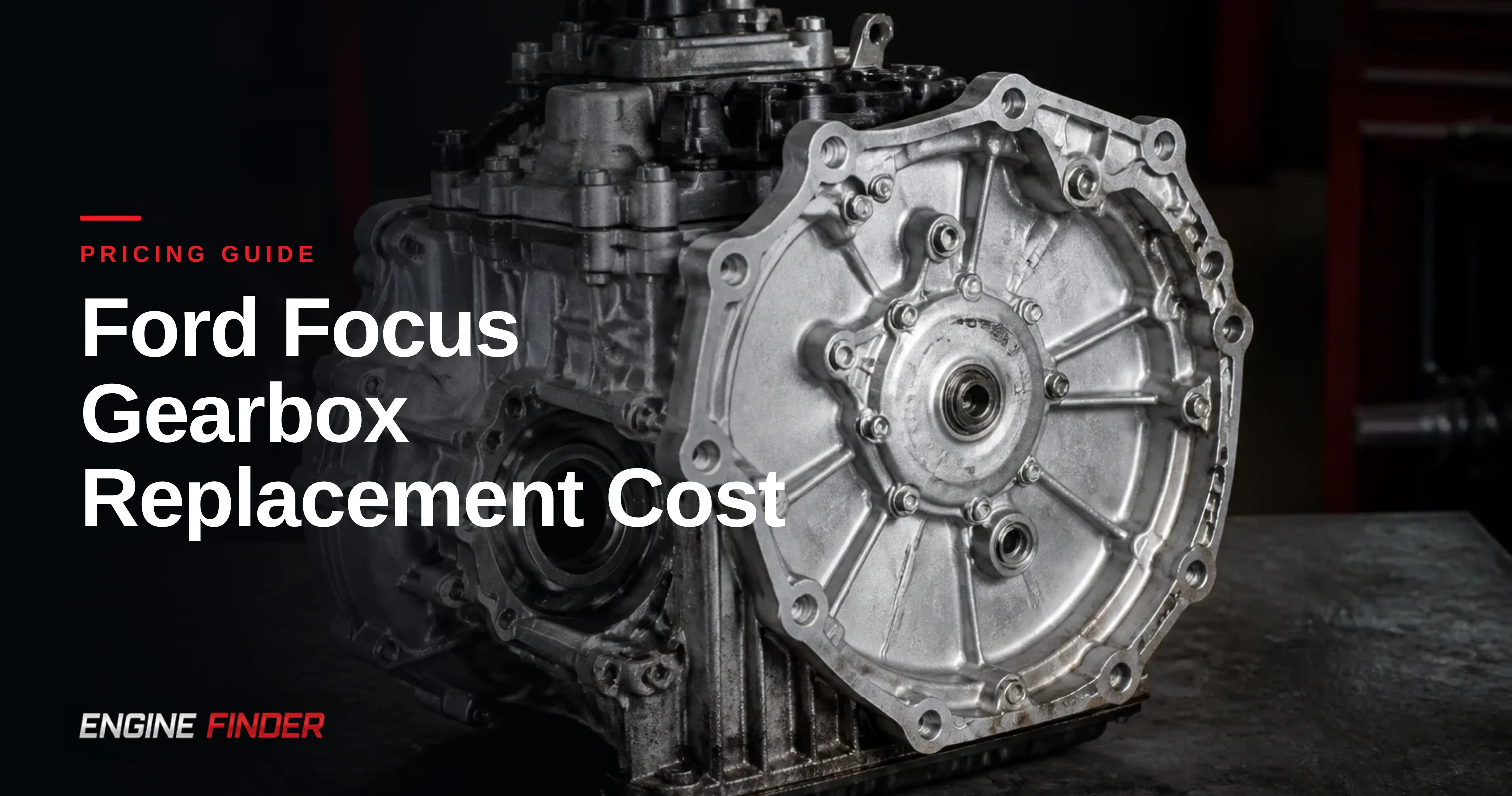
Ford Focus Gearbox Replacement Cost in South Africa (2026 Guide)
Ford Focus gearbox replacement costs R6,000–R18,000 for a manual and R18,000–R38,000 for the PowerShift DCT in South Africa. Full price breakdown by variant, known DPS6 problems, and how to save.
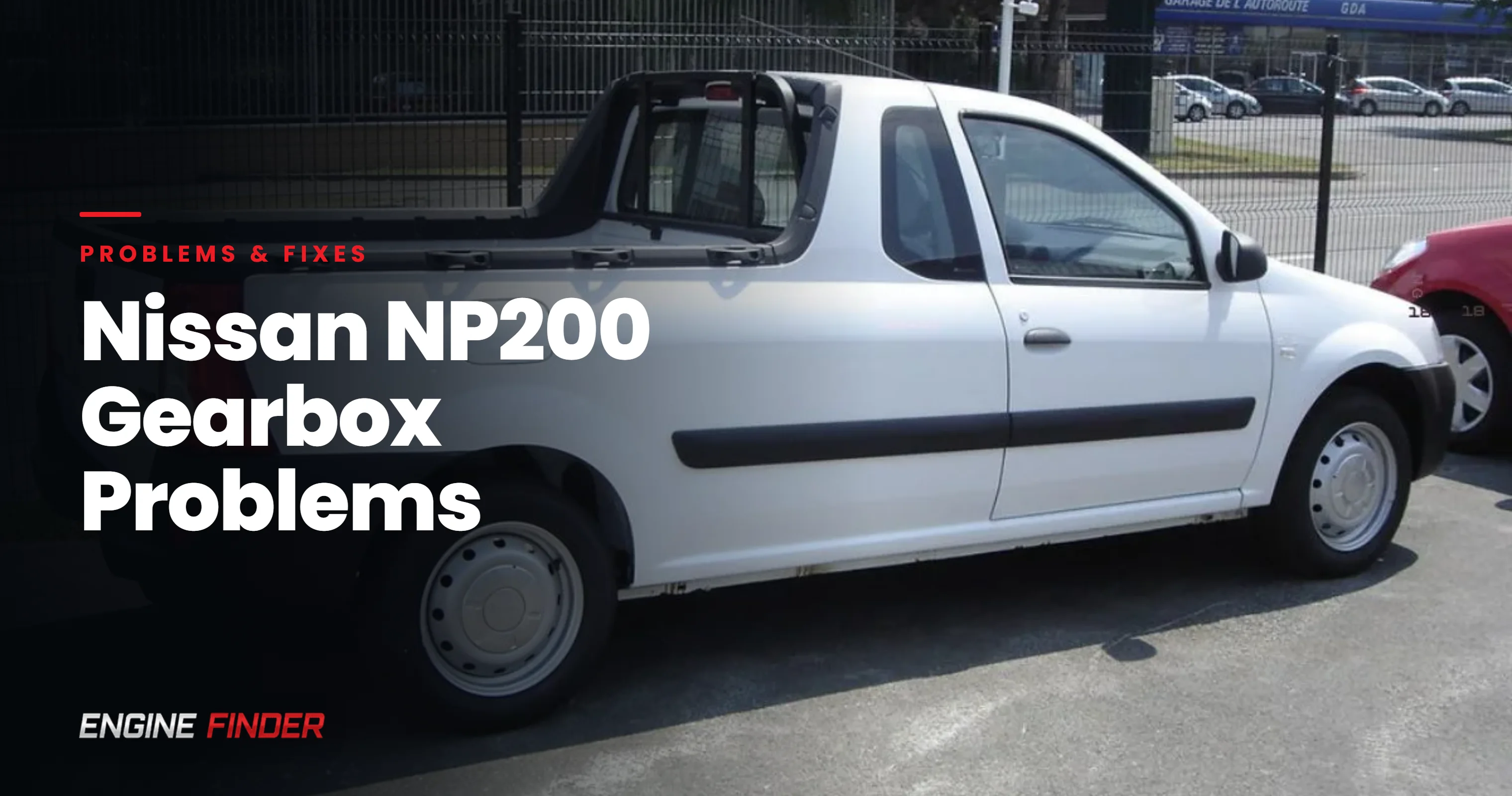
Nissan NP200 Gearbox Problems: JR5 Manual, Clutch & Costs (SA Guide)
Nissan NP200 gearbox problems explained — the Renault JR5/JH3 manual, crunchy shifts, 5th-gear whine, soft-clutch cylinder faults, and what a used or recon NP200 gearbox costs in SA.
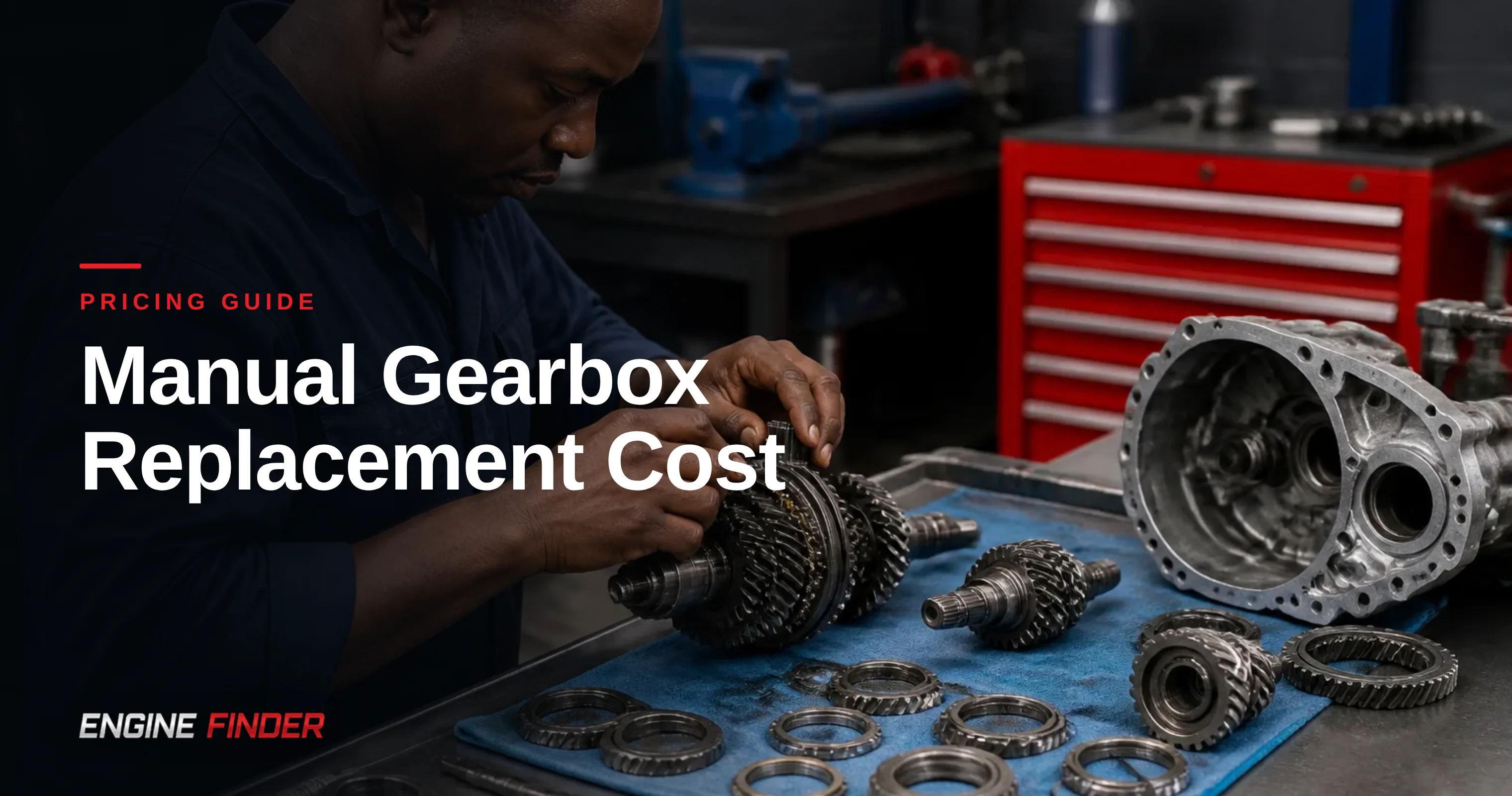
Manual Gearbox Replacement Cost in South Africa (2026 Guide)
How much does manual gearbox replacement cost in South Africa? Budget exchange from R4,000 fitted; heavy-duty bakkie installs reach R32,000+. Real SA prices by model, gearbox codes, labour hours, and a worth-it decision framework.
Important Disclaimer
This content is for informational purposes only and is based on research from automotive industry sources. Engine Finder is not a certified automotive repair facility. Always consult with qualified automotive professionals before performing any repairs or maintenance. Improper repairs can result in personal injury, property damage, or vehicle malfunction. We assume no responsibility for actions taken based on this information.