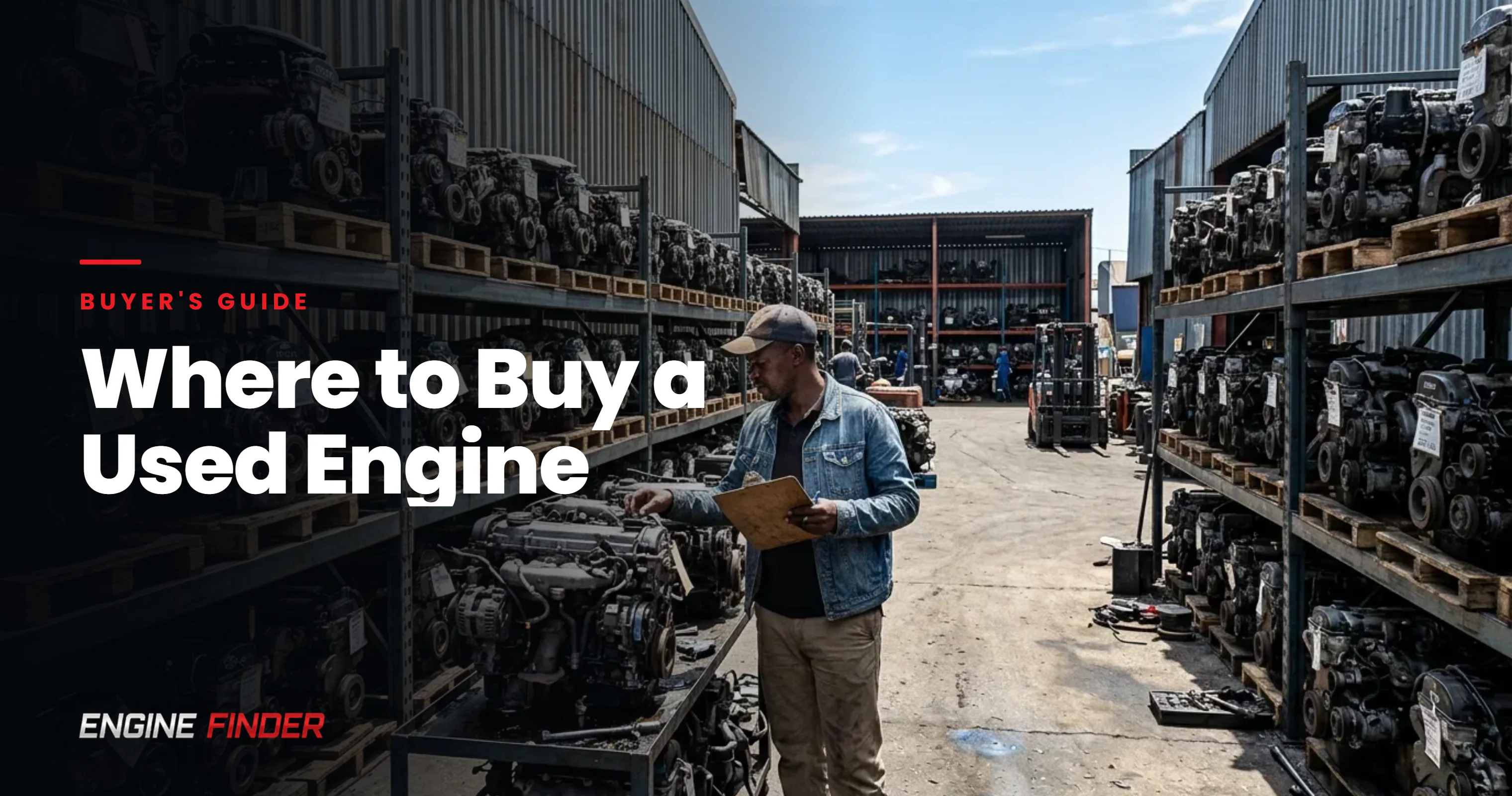
Where to Buy a Used Engine in South Africa: 2026 Buyer's Guide

Key Takeaways
| Topic | Key Information | Important Details |
|---|---|---|
| Sourcing Channels | 5 main options | Marketplaces, scrap yards, auctions, importers, classifieds |
| Price Range | R8,000-R85,000+ | Varies by channel, make, and year |
| Safest Option | Verified marketplace | Comparable quotes + warranty terms upfront |
| Cheapest Option | Scrap yards direct | Best for popular makes, walk-in negotiation possible |
| Highest Risk | Open classifieds | No buyer protection, scams common |
Five Places to Buy a Used Engine in South Africa
If your engine has finally given up, replacing it with a quality second-hand unit is usually 30-60% cheaper than a full overhaul or new crate engine. The question is where to find one. South African buyers have five realistic sourcing channels in 2026, and each comes with its own trade-offs between price, warranty, stock availability and risk.
This guide walks through every channel — online marketplaces, scrap yards and strippers, insurance auction houses, importers and open classifieds — so you can decide which fits your budget, vehicle and tolerance for hassle. We also cover the questions you should ask before paying a cent, the red flags that signal a scam, and a recommended path for three common buyer profiles. The same pre-purchase discipline AutoTrader South Africa recommends for buying a used car — verified history, written paperwork, independent inspection — applies in spades when you’re buying a loose engine. And if the car itself came from abroad, be aware that importing a vehicle into South Africa carries its own permit rules and parts-sourcing headaches.
Online Marketplaces (Engine Finder)
A used-engine marketplace puts multiple verified suppliers in one place. You submit your vehicle details once and receive quotes from yards and importers who actually stock your engine — instead of phoning twenty businesses yourself.
The advantages are real: you compare prices side-by-side, warranty terms are stated upfront, and the platform vets suppliers before they appear in quotes. Engine Finder has been running since 2016 and now connects buyers with verified suppliers across Gauteng, the Western Cape, KwaZulu-Natal and the Eastern Cape.
The trade-off is a small markup compared to walking into a scrap yard yourself — but in practice the price difference is often negligible once you factor in the time saved and the warranty cover you get. For most buyers it’s the cleanest starting point.
Best for: buyers who want choice without spending three days phoning yards, and anyone who wants a written warranty before parting with their money.
Browse what’s currently in stock at our engines for sale listing.
Scrap Yards / Strippers
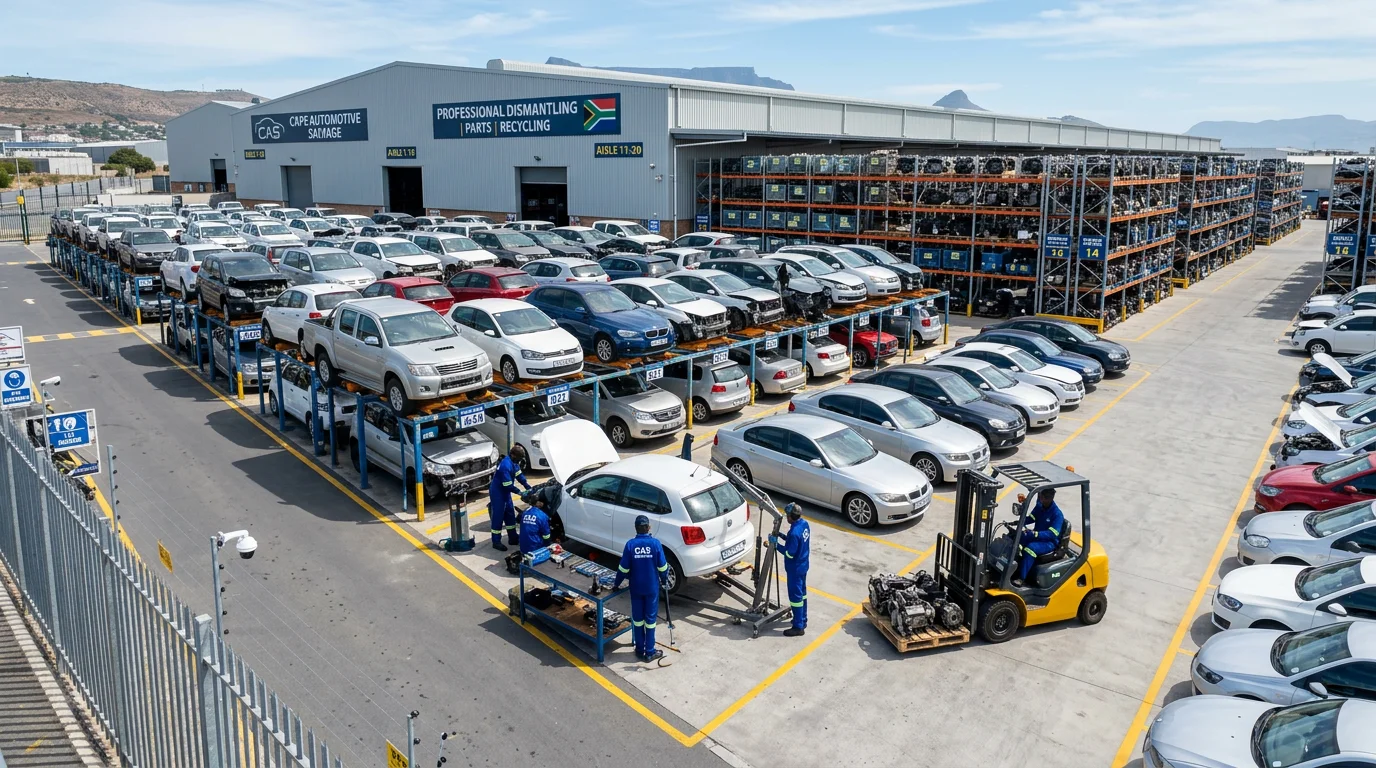
Scrap yards and “strippers” buy accident-damaged or end-of-life vehicles and dismantle them for parts. Buying directly from a yard cuts out the middleman and can save you 10-25% versus a marketplace quote on the same engine.
The catch is stock. Any single yard only has what it has dismantled recently — so a yard in Boksburg may have three Toyota Corolla engines but zero Volkswagen Polo units. You’ll often need to phone multiple yards before finding a match for your variant.
The biggest concentrations of scrap yards in South Africa are in Johannesburg, Cape Town, Durban and Pretoria. Popular makes — Toyota, Volkswagen, Ford, Nissan and Hyundai — are easiest to find. Premium European makes (BMW, Mercedes-Benz, Audi) are harder and pricier even at the yard.
Warranty terms at scrap yards vary widely. Some offer 3-6 month engine warranties, others sell strictly “voetstoots” (as-is). Always get the warranty in writing before paying.
Best for: budget-conscious buyers, popular makes, and anyone with a mechanic friend who can vet the engine in person.
For a city-by-city directory of scrap yards, see our complete guide to scrap yards in South Africa.
Insurance Auction Houses (Aucor, Auction Nation, GoBid)
When a vehicle is written off by an insurer, it often ends up at an auction house like Aucor — an auctioneer with over 50 years of industry experience handling bank repossessed and insurance salvage vehicles, Auction Nation or GoBid. You bid on the whole car — not just the engine — but if you’re handy with spanners you can strip it yourself and sell off the rest.
Prices at auction are typically the cheapest per-engine you’ll find, especially for late-model vehicles where the body damage is severe but the drivetrain is fine. A 2019 Polo Vivo with a smashed front end might sell for R20,000-R30,000 — and the engine alone, intact, is worth R30,000-R40,000 on the open market.
The downside is paperwork. You buy the entire car, register it in your name, and then either strip it on private property or scrap the shell after stripping. There’s also no warranty — what you see is what you get, and inspection time is limited.
Best for: mechanically skilled buyers, workshop owners, and anyone willing to take on the admin in exchange for the lowest possible price.
Importers (UK, Japan, Germany)
Second-hand engines imported from the UK, Japan and Germany have built a strong niche in South Africa. The appeal is mileage and condition — Japan’s mandatory Shaken inspection system makes keeping older vehicles expensive, so many Japanese cars are exported or scrapped well under 100,000 km; imported Japanese engines commonly show 60,000–90,000 km, significantly lower than an equivalent local donor vehicle. UK and German imports tap broader used-car and salvage markets, adding supply of serviceable engines for European marques.
Prices are higher: expect to pay 20-40% more than a local scrap yard engine. Lead times are also longer — most importers ship by sea, so 6-12 weeks from order to delivery is normal.
Japanese imports are particularly strong for Toyota, Nissan, Mazda, Honda and Subaru. UK imports cover most European and British marques. German importers focus on BMW, Mercedes-Benz, Audi and VW.
Best for: premium European or Japanese vehicles, buyers who want the lowest possible mileage, and owners planning to keep the car long-term.
Classifieds (Gumtree, Facebook Marketplace, Bid or Buy)
Open classifieds like Gumtree, Facebook Marketplace and Bid or Buy list engines at the lowest sticker prices on the South African market. They’re also where the most scams happen. The SA classifieds market has thinned out in recent years — Naspers quietly shut down OLX South Africa in February 2022, leaving Gumtree and Facebook Marketplace as the dominant open platforms.
There’s no buyer protection. No supplier verification. No standardised warranty. Listings range from genuine sellers offloading a spare engine through to outright fraudsters posting stock photos of engines that don’t exist. The “too good to be true” rule applies hard here.
If you must use classifieds, never pay full upfront, always insist on a physical inspection, and verify the seller’s address using Google Street View before driving out. Avoid sellers who insist on EFT-only payment to personal accounts.
Best for: experienced buyers who know exactly what they want, can inspect in person, and can verify the seller’s identity.
Channel Comparison at a Glance
| Channel | Typical Price | Warranty | Stock | Risk Level |
|---|---|---|---|---|
| Online Marketplace | R12,000-R75,000 | 3-6 months | Wide (multi-supplier) | Low |
| Scrap Yard / Stripper | R10,000-R65,000 | 0-6 months (varies) | Limited per yard | Medium |
| Insurance Auction | R8,000-R45,000 (engine portion) | None | Whatever's listed | Medium-High |
| Importer | R18,000-R85,000+ | 3-12 months | Order-in | Low-Medium |
| Open Classifieds | R8,000-R55,000 | None typical | Patchy | High |
What to Ask Before Buying
Whichever channel you choose, the questions below separate good suppliers from bad ones. Treat any seller who can’t answer them clearly as a red flag.
- Mileage and evidence. Ask for the engine’s recorded mileage and any supporting evidence — original logbook page, import paperwork or a recent compression test result. A reputable seller will have something on file.
- Warranty terms in writing. “Three months” is meaningless if it’s not on an invoice or warranty slip. Ask for the full terms before paying — what’s covered, what isn’t, and how a claim is processed.
- Engine code verification. Don’t just trust the seller’s word that “it fits a 2015 Polo.” Variants matter. Get the engine code stamped on the block (e.g. CJZA, CBZB) and cross-check it against your vehicle’s VIN.
- Source of the engine. Was it pulled from an insurance write-off, a scrap car, or imported? Imports usually have better mileage; insurance write-offs can be perfect or thrashed depending on the donor vehicle’s history.
- Return policy. What happens if the engine arrives damaged, or fails on the first start? A seller with no return policy is telling you something.
- Compatibility check. Confirm the engine year, variant and gearbox match your vehicle. A petrol engine from a manual variant may not bolt straight into an automatic without ancillary changes.
- Payment terms. Avoid paying 100% upfront to a seller you don’t know. Reputable yards accept deposits with the balance on delivery or collection. Use escrow if available.
- Delivery vs collection. Who pays freight? Engines weigh 100-300 kg and cross-country couriers charge R2,000-R4,500. Factor this in before comparing quotes.
- Physical address. Can you visit the premises? A legitimate supplier has one. “Meet me at a petrol station” is a scam signal.
- Other customer references. Ask for a Google Business Profile link or recent customer reviews. Decent yards are happy to provide them.
Red Flags to Avoid
- Pricing 30%+ below market. If everyone else is quoting R28,000 and one seller is at R14,000, something is wrong. Stolen engines, scams or “we’ll find it for you” intermediaries with nothing in stock are the usual culprits.
- No physical address. Cellphone-only sellers with no street address, no Google Business Profile and no shopfront are a known scam profile.
- Demands EFT only to a personal account. Legitimate businesses have business accounts. Personal account payments make recovery near-impossible.
- No warranty offered. Even “voetstoots” yards usually offer a 7-day start-up guarantee. Zero warranty is a refusal to stand behind their stock.
- Blurry or stock photos. Quality sellers send clear, in-yard photos with timestamps. Generic Google-image engines are a fraud signal.
- Refuses video inspection. If you can’t visit, a brief WhatsApp video walk-around the engine costs the seller nothing. A refusal speaks volumes.
- Pressure to pay immediately. “There’s another buyer waiting” is the oldest trick in the book. A real seller will hold an engine for 24-48 hours on a deposit.
Recommended Path by Buyer Type
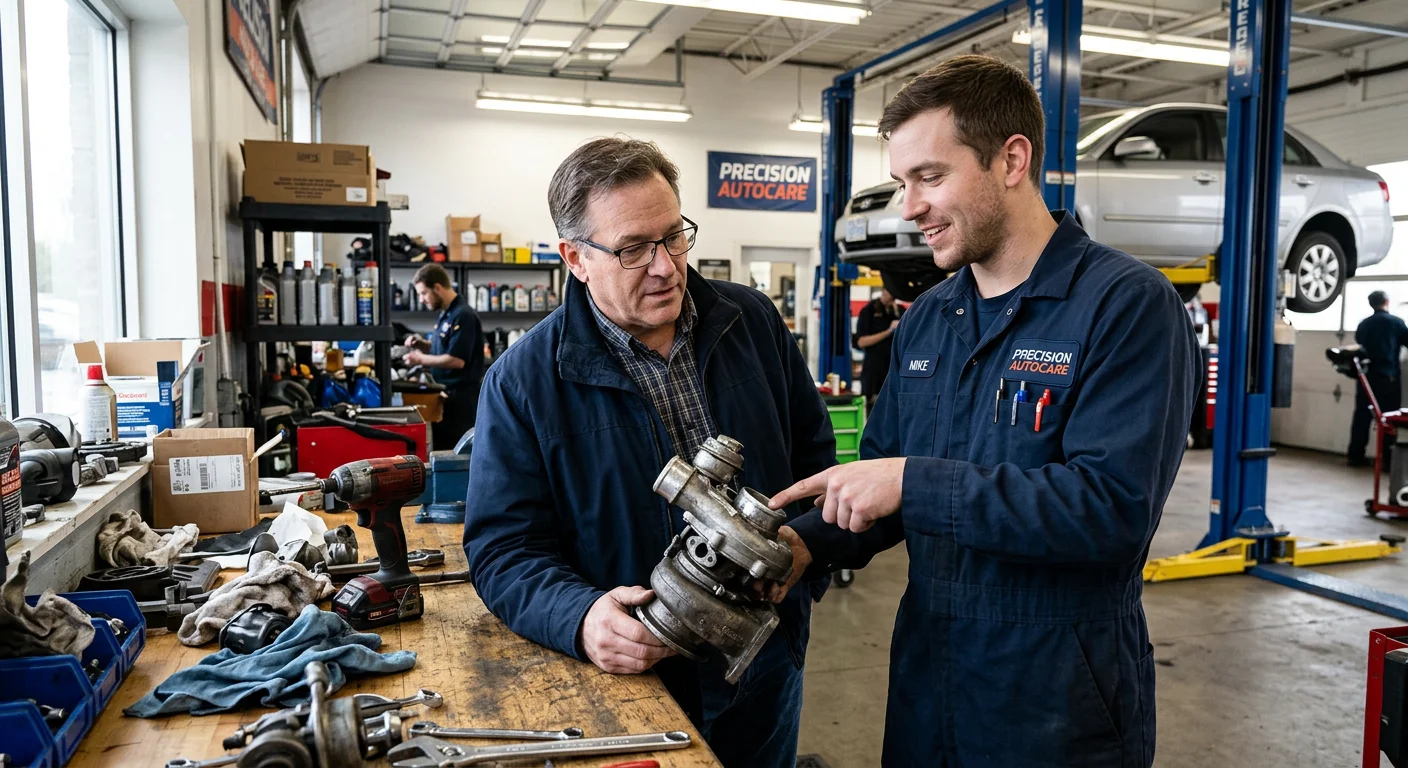
First-time buyer or risk-averse. Use a verified marketplace. Yes, you pay slightly more, but the warranty and the vetting are worth it. Get three quotes, compare warranty terms, pick the supplier with the cleanest paperwork.
Mechanically skilled or budget-tight. Go direct to scrap yards. Phone five yards in your city, ask for stock + price + warranty, then visit the most promising in person. Bring a torch and a compression tester if you can.
Premium European car owner. Use an importer with documented vehicle history. The 20-40% premium buys you a low-mileage unit that may run another 150,000 km — far better economics than a tired local replacement on a R600,000+ car.
City-Specific Scrap Yard Directories
The Engine Finder directory lists vetted scrap yards in each of South Africa’s major centres. If you’d prefer to walk in and negotiate face-to-face, start with:
- Johannesburg — the country’s largest concentration of yards
- Cape Town — strong for Japanese imports
- Durban — useful for KZN buyers avoiding cross-country freight
- Pretoria — German marque specialists cluster here
You can find each directory under our main scrap yards section.
Related Reading
For more on the buying side, see our used engine prices guide for 2026 — it pairs well with this article and covers what to expect at each price point. And if you’re weighing replacement against repair, our piece on how long engines typically last helps you decide if it’s worth replacing at all.
Frequently Asked Questions
Where can I find the cheapest used engine in SA?
Insurance auction houses and direct scrap yard purchases are typically cheapest. Auctions can be 20-40% below market if you’re willing to buy the whole donor vehicle. Scrap yards beat marketplaces on price by 10-25% on popular makes. The trade-off in both cases is no warranty (auctions) or limited warranty (yards) — and the time cost of phoning around.
Are imported engines better than local ones?
Often yes, especially for Japanese marques. Japan’s Shaken inspection system makes keeping a car over 100,000 km expensive domestically, so many Japanese vehicles are exported with 60,000–90,000 km on the clock — significantly less wear than a comparable SA donor engine. UK imports draw from broader used-car and salvage markets rather than a strict mileage-based scrap cycle, but Japanese imports in particular can carry 30–50% fewer kilometres than an equivalent local engine. The trade-off is a 20-40% price premium and longer lead times (6-12 weeks shipping).
How do I avoid getting scammed buying a used engine?
Never pay 100% upfront to a seller you can’t physically verify. Always confirm a physical business address and visit if possible. Get warranty terms in writing on a proper invoice. Avoid sellers who refuse video walk-arounds, demand EFT to personal accounts, or quote prices 30% below the market. Using a verified marketplace or established yard removes most of these risks.
Can I trust scrap yard engines?
Most reputable scrap yards in South Africa are trustworthy — they make their money on volume and reputation, not one-off scams. The key is verifying that the yard has a real premises, offers some form of warranty (even 7-30 days), and can provide engine code and donor vehicle details. Yards that have been operating for 5+ years with a Google Business Profile and reviews are generally safe.
Should I buy from a marketplace or direct from a scrap yard?
It depends on your priorities. A marketplace saves you time, gives you comparable quotes side-by-side and adds a layer of supplier verification — best if you value convenience and want warranty cover. Going direct to a scrap yard can be 10-25% cheaper but requires more legwork (phoning around, visiting yards) and the warranty depends on the individual yard. First-time buyers usually win with a marketplace; experienced buyers with mechanical knowledge often prefer going direct.
Get Free Quotes from Verified Suppliers
Engine Finder has been connecting South African buyers with vetted engine suppliers since 2016. Submit your vehicle details once and receive comparable quotes — with warranty terms stated upfront — from suppliers who actually stock your engine.
Related Articles
Explore more insights on similar topics
Importing a Car into South Africa: Rules, Costs and How It Actually Works (2026 Guide)
Thinking of importing a car into South Africa? Here's who is actually allowed to, the ITAC permit and NRCS Letter of Authority you need, what it costs, and how the shipping works.
DSG vs CVT vs Torque-Converter: Automatic Gearboxes Explained
DSG vs CVT vs torque-converter gearbox explained for SA buyers, how each works, what fails, and how to compare gearbox quotes before you buy.
Suzuki Baleno Engine Maintenance Cost in South Africa (2026 Guide)
Suzuki Baleno annual maintenance costs R3,500-R8,000 in South Africa. Full service cost breakdown, common engine issues, dealer vs independent pricing, and used engine prices.
Important Disclaimer
This content is for informational purposes only and is based on research from automotive industry sources. Engine Finder is not a certified automotive repair facility. Always consult with qualified automotive professionals before performing any repairs or maintenance. Improper repairs can result in personal injury, property damage, or vehicle malfunction. We assume no responsibility for actions taken based on this information.